
When a dog shrinks back from a friendly stranger or barks the moment someone steps through the door, it can feel confusing, worrying and at times embarrassing. At Canine Wise, this reaction is understood not as “difficult” behaviour, but as communication that something feels unsafe to the dog. This is why dog behaviour training in Sydney often focuses on identifying the reason behind the response rather than simply correcting the visible behaviour.
This article explores why some dogs become fearful around unfamiliar people, including early life experiences, genetics, body language confusion, health concerns and past encounters. It also explains how fear can appear in everyday situations, what owners should avoid and when professional support may be needed.
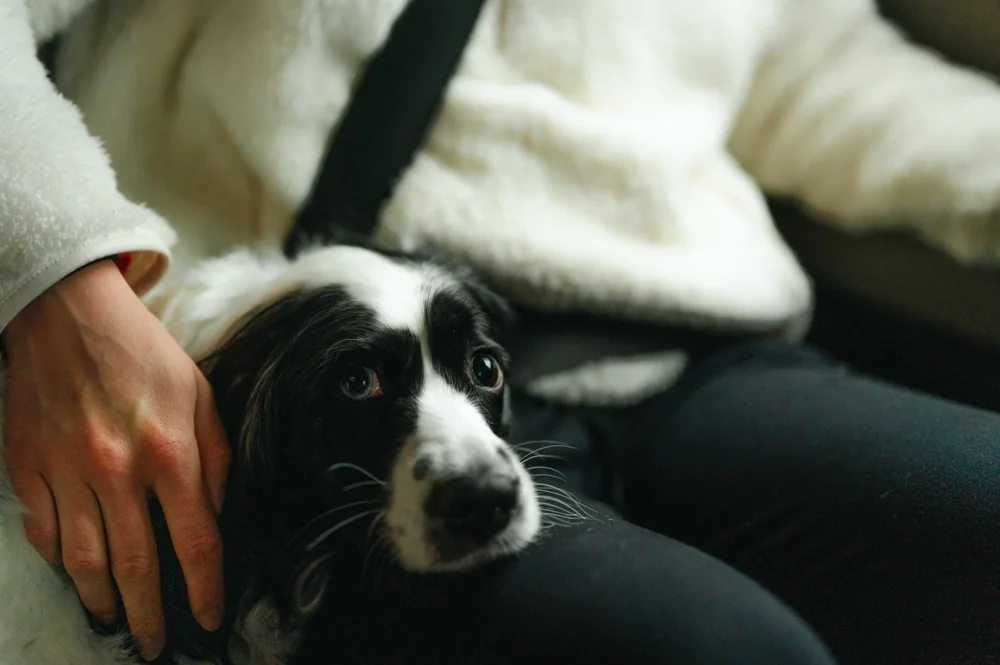
Why Dogs Become Scared of Strangers
Fear of strangers is usually not about one specific person. It is about how a dog’s brain, body and past experiences interpret unfamiliar people as a possible threat. Understanding where this fear comes from is the first step towards helping a dog feel safer and more confident around new faces.
Most fearful behaviour around strangers grows from a mix of genetics, early social experiences, learning history and the dog’s current environment. Often, more than one factor is involved, which is why some dogs seem naturally cautious while others become fearful after a specific incident.
Lack of Early Socialisation
Puppies go through an important socialisation window, roughly between 3 and 14 weeks of age, when their brains are especially open to learning that new sights, sounds, surfaces, environments and people are normal. If a puppy does not meet a variety of people during this stage, later encounters with strangers may feel unfamiliar and alarming.
Limited exposure can happen for many reasons, such as:
- Being raised in a very quiet home or isolated environment
- Coming from a breeder, shelter or background where visitors were rare
- Illness, injury or other issues that kept the puppy at home
- Early experiences that involved limited handling from different people
In these cases, unfamiliar people may not fit into the dog’s mental picture of what is safe and normal. The result may be barking, hiding, freezing, avoiding eye contact or trying to move away when strangers appear.
Genetics and Temperament
Inherited temperament plays a powerful role in how comfortable a dog feels with unfamiliar people. Some breeds were developed to be naturally watchful, cautious or suspicious of outsiders, and this can show up in modern homes as alert or wary behaviour. Within every breed, there are also individual differences. Even in a confident litter, there may be one puppy that startles more easily or prefers familiar people.
A genetically shy or sensitive dog is not “bad” or “broken”. Its nervous system may simply be more alert to possible threats. Without careful socialisation and ongoing positive experiences with unfamiliar people, this natural caution can become stronger over time.
Negative Experiences and Learned Fear
Fear of strangers can also be learned through direct or indirect negative experiences. A dog that has been yelled at, grabbed roughly, handled harshly or physically punished by unfamiliar people may begin to associate strangers with danger. Even one frightening incident, such as a loud person leaning over the dog or a stressful vet visit, can leave a lasting impression on a sensitive dog.
Fear can also develop gradually. If a dog barks at strangers and the stranger moves away, the dog may learn that barking makes the scary person leave. Over time, the dog may rely on barking, lunging or growling whenever a stranger appears because that strategy has worked before.
Environmental Factors and Health Issues
Chaotic or unpredictable environments can increase stress and reduce a dog’s ability to cope with new situations. A noisy household, constant visitors, frequent changes in routine or repeated exposure to overwhelming environments can leave a nervous dog feeling on edge. When stress is already high, strangers can feel even more threatening.
Physical discomfort can also affect behaviour. Dogs in pain or with health concerns such as poor vision, cognitive decline or hormonal issues may feel vulnerable and react defensively when unfamiliar people approach. A vet check is important when fear of strangers appears suddenly, worsens quickly or seems out of character.
How to Tell if Your Dog Is Fearful
Recognising fear early makes it easier to manage a dog’s reactions before they escalate into barking, lunging or biting. Fear in dogs is not always dramatic. It often appears through small changes in posture, facial expression, movement or behaviour when a stranger approaches.
A careful look at body language, movement and vocalisations can help distinguish fear from simple excitement or alertness. Not every sign will appear in every dog. The clearest indicator is a pattern of stress signals that consistently appears around unfamiliar people.
Body Language That Signals Fear
A fearful dog will often try to make itself smaller or create distance from the stranger. The posture usually looks tense rather than loose and relaxed. Common physical signs include:
- Tail held low or tucked under the body
- Body crouched, stiff or leaning away from the person
- Head lowered with the neck pulled back
- Ears pinned back or constantly flicking between the person and escape routes
- Hackles raised along the shoulders or spine
The tail can be especially revealing. A loose wag at mid-height may suggest friendliness or relaxed interest, while a tight, fast wag held low with a stiff body often indicates nervousness. The overall body posture matters more than the tail alone.
Facial Expressions and Stress Signals
Subtle stress signals often appear on the face and mouth before more obvious reactions begin. These are easy to miss in the moment, but they provide useful insight into how the dog is feeling.
Look for:
- Lip licking or tongue flicks when there is no food present
- Repeated yawning in a situation that is not sleepy or boring
- Panting in a cool environment or when the dog has not been exercising
- Tight mouth corners pulled back with the lips sealed
- Avoiding direct eye contact while still watching the person
Some dogs show “whale eye”, where the outer white of the eye is visible as they turn their head away while keeping the stranger in view. Others show tension in the brow, with wrinkles above the eyes. When these signs appear as a stranger approaches, leans in or tries to touch the dog, they usually indicate discomfort.
How Fear Can Show Up in Everyday Situations
Fear of strangers can appear in many different parts of daily life. Some dogs react loudly and visibly, while others shut down, hide or avoid interaction. Recognising these patterns helps owners understand the dog’s emotional state and prevent situations from escalating.
On Walks and in Public Spaces
Walks are a common trigger because unfamiliar people appear suddenly, move unpredictably and may pass close by. A fearful dog may lag behind the handler, try to turn back, stare at approaching strangers with a stiff body or move to the far side of the footpath.
Some dogs try to hide behind their owner, a bench, a parked car or another object. Others may bark or lunge when people come too close. Crowded areas often intensify these reactions because the dog has less space to move away.
When Visitors Come to the Home
The home is often where fear of strangers becomes most noticeable. The sound of a doorbell or knock can become a powerful trigger before the visitor is even seen. Some dogs refuse to enter the room where the visitor is sitting, while others skirt around furniture to avoid passing too close.
A fearful dog may sit near its owner’s feet, stare at the visitor and remain tense. If the visitor stands up, walks towards the dog or tries to pat it, the dog may escalate to growling, baring teeth, snapping in the air or retreating quickly to another room. Guests who move suddenly, wear hats, carry bags or use loud voices can be especially frightening for some dogs.
In Everyday Interactions Out and About
Fear of strangers can also appear in less obvious daily moments. In a lift, a fearful dog may lower its head, lick its lips or tremble when a new person steps in. At the vet, it may cling to its handler, refuse treats from staff or hide behind chairs rather than greet people.
On a walk, a simple greeting from a passerby can trigger a flinch, growl or quick snap if the person bends down, reaches over the dog’s head or moves too close. Some dogs tolerate strangers at a distance but react when someone tries to touch them, take a photo or reach over a fence.
Even calm, quiet dogs that appear simply “shy” may be experiencing stress. Repeated yawning, sudden scratching, intense sniffing of the ground or turning away when people approach can all indicate discomfort rather than relaxation.
What Not to Do When Your Dog Is Scared of Someone
When a dog is frightened of strangers, it is natural to want to fix the problem quickly. However, certain reactions can make fear worse and increase the risk of a bite. Avoiding these common mistakes helps protect both the dog and the people nearby.
The principle is simple. Fear cannot be punished or forced away. It needs to be managed and gradually replaced with safer, more positive experiences. Any response that adds pressure, pain or confusion can undermine progress.
Do Not Force Interactions or Restraint-Based Greetings
Pushing a scared dog to “face their fears” often backfires. Holding a dog in place while a stranger approaches, having someone reach over the dog to pat it or cornering the dog in a small space removes the coping strategy it trusts most, which is distance.
Instead of learning that people are safe, the dog learns that people appear and escape is impossible. This is one way a dog that previously barked or backed away can begin to snap or bite.
Avoid:
- Picking the dog up and handing it to someone
- Blocking its retreat with furniture, gates, leads or legs
- Allowing strangers to lean over, stare at or reach for the dog
- Asking visitors to ignore obvious warning signs like growling or hiding
If the dog needs distance, create it calmly by moving away, guiding the dog behind a barrier or giving it access to a quiet space where it can relax.
Do Not Punish Growling, Barking or Hiding
Growling, barking and moving away are forms of communication. They indicate discomfort and a request for more space. Correcting these signals with shouting, leash jerks, intimidation or aversive equipment may silence the warning, but it does not remove the fear.
A dog that has been punished for growling may skip straight to more intense behaviour the next time it feels unsafe. This is often when a bite is described as coming “out of nowhere”, even though earlier warnings had been suppressed.
The safer approach is to listen to the warning, increase distance and adjust the situation so the dog no longer feels trapped or overwhelmed.
Do Not Use Bribery That Lures the Dog Too Close
Food can be a powerful training tool, but it is often misused. Luring a frightened dog right up to a stranger with treats encourages it to cross its own comfort line. The dog may approach for food while still feeling wary of the person. When the food stops, the fear remains.
This can create a pattern where the dog rushes in, snatches a treat, then startles or snaps when it realises how close it is to the stranger. Treats are most effective when they appear at a distance the dog already finds reasonably safe.
The person should remain neutral and avoid leaning in, staring or reaching out. The dog must be free to move away at any time.
How to Help Your Dog Feel Safer Around New People
Helping a fearful dog feel safer with strangers starts with reducing pressure and allowing the dog to feel more in control. Progress depends on calm, predictable interactions rather than forced contact. The goal is not necessarily to make a dog love everyone, but to help it feel neutral, safe and manageable around unfamiliar people.
Change happens gradually through repeated low-stress experiences. Management, careful introductions and structured training work together to lower the dog’s anxiety so that new people no longer feel as threatening.
Use Gradual Exposure With Positive Associations
Carefully controlled exposure with rewards can teach a dog that strangers predict good things. Start at a distance where the dog notices a person but can still eat, respond and remain relatively relaxed. Each time the stranger appears, quietly offer high-value food such as small pieces of chicken, cheese or another reward the dog loves.
The distance is too close if the dog will not take food, stiffens, barks, lunges or tries to escape. Move farther away until the dog can observe the person without escalating. Over multiple sessions, the distance can be reduced gradually, but only while the dog remains calm and able to cope.
The stranger should ignore the dog at first and avoid reaching out, staring or leaning in. With visitors at home, the dog may be more comfortable behind a baby gate, on a mat or in another safe area. The visitor can gently toss treats without eye contact or movement towards the dog.
Only if the dog chooses to approach and shows soft, loose body language should any closer interaction be considered. Even then, petting should be brief, gentle and optional.
When to Get Professional Help
Fear of strangers is common in dogs, but intense or persistent fear can become a welfare and safety issue. Professional help is recommended when a dog’s reactions are difficult to manage, affect daily life or create a risk of biting. Early support often prevents the behaviour from becoming stronger over time.
A qualified behaviour professional can identify whether the problem is mainly fear, anxiety, lack of socialisation, learned behaviour or a medical concern. A tailored plan can then focus on helping the dog feel safer around people rather than simply suppressing the behaviour.
Signs Fear of Strangers Needs Specialist Support
Specialist support is recommended if the dog reacts intensely to strangers with lunging, barking, growling, snapping or showing teeth, particularly at close distances or in confined spaces such as lifts, hallways or doorways.
Reactions that seem out of proportion to the situation, such as panicking when a calm visitor stands quietly across the room, suggest the dog is overwhelmed rather than stubborn or protective.
Ongoing avoidance is also significant. A dog that consistently hides behind furniture, freezes, refuses to walk past people on the pavement or shakes when visitors enter is not simply “shy”. Physical signs such as trembling, drooling, stress panting, dilated pupils, repeated yawning and frequent lip licking around strangers may indicate sustained stress.
Choosing the Right Professional
Not all trainers or behaviourists are suited to fear-based behaviour issues. Look for someone who uses evidence-based, reward-based methods and understands how to work below the dog’s fear threshold.
A suitable professional should offer:
- Qualifications or experience in canine behaviour
- Reward-based methods that avoid shock collars, prong collars, scruff shakes or intimidation
- A clear plan focused on changing the dog’s emotional response
- Practical management strategies for the home, walks and visitors
- Willingness to work alongside a veterinarian when medical issues may be involved
For dogs with severe fear or a bite history, a veterinary behaviourist or veterinarian with behaviour training may be needed. Pain, hormonal issues, neurological changes and other health concerns can increase reactivity towards strangers. In some cases, medication may be recommended alongside behaviour modification to help the dog stay under threshold and learn more effectively.
What Professional Help Typically Looks Like
Effective professional support does not rely on forcing the dog to “face its fears”. Instead, it usually involves management strategies to keep the dog feeling safe, combined with carefully structured behaviour modification.
Management may include walking during quieter times, creating more distance from people, using visual barriers at home and teaching visitors how to behave around the dog. Behaviour work then pairs the presence of strangers at a tolerable distance with something the dog enjoys, such as high-value food or play.
Over time, and with many short sessions, the dog can begin to learn that strangers predict good things rather than danger. Progress may be gradual, but the aim is lasting emotional change rather than short-term suppression.
A dog that is afraid of strangers is not being stubborn, difficult or vengeful. Fearful behaviour is usually shaped by genetics, early experiences, stress, health, environment and past associations with unfamiliar people.
Understanding the reason behind the behaviour is the first step towards helping the dog feel safer. Punishment, forced greetings and pressure often make fear worse, while distance, calm management, gradual exposure and reward-based training can support steady progress. For dogs with intense fear, ongoing anxiety or a bite history, guidance from a qualified behaviour professional can make the process safer and more effective.

