
Puppy socialisation is often talked about, yet frequently misunderstood. Owners hear that the “critical window” is short and feel pressured to do everything quickly, which often leads to mistakes that quietly shape a dog’s behaviour for life. At Canine Wise, these patterns show up often, from puppies being taken into busy environments before they are ready to dog park play being mistaken for proper social education and well-meaning strangers overwhelming a young dog. These are common early challenges in puppy training in Sydney, where busy surroundings, dog-heavy spaces and constant stimulation can easily push young dogs beyond what they are ready to handle.
In this article, Canine Wise explains the puppy socialisation mistakes owners commonly make and how to avoid them. You will learn how to balance early exposure with safety in a city full of dog beaches, busy café strips and apartment living, and why the quality of each experience matters far more than simply ticking places and noises off a list. With the right approach in those early weeks, owners can help their puppy grow into a dog that feels genuinely calm, confident and able to cope with everyday life.
What Proper Puppy Socialisation Really Means
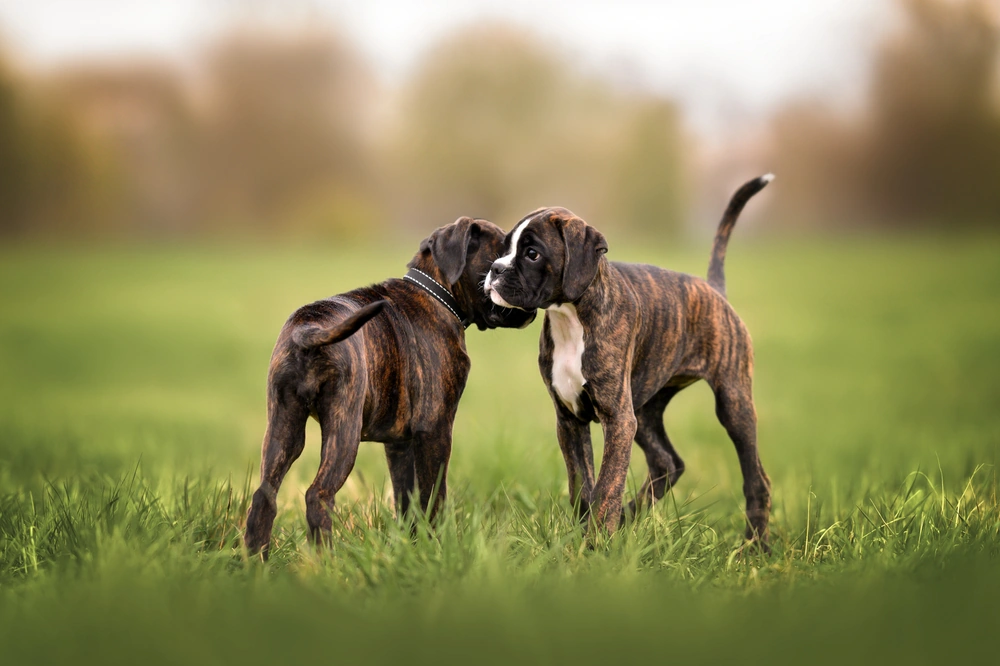
Proper puppy socialisation is not just letting a young dog meet lots of other dogs at the park. It is a structured process of teaching a puppy that the human world is safe and predictable, so it can grow into a calm, confident adult. For owners, this means planning how a puppy experiences local sights, sounds, people, places and animals in a way that feels positive, not overwhelming.
Professional trainers define good socialisation as quality over quantity. The goal is not to tick off a checklist of experiences but to help the puppy feel relaxed and curious in a wide range of everyday situations it will actually encounter.
More Than Dog Play: The Full Picture
Many owners think socialisation equals “dog social” time. While dog interactions can be important, they are only one part of the picture. A well-socialised puppy learns to cope comfortably with:
- Different types of people, such as children, tradies, runners, cyclists, people in hats or high-vis
- Everyday handling, like being touched on the paws, ears, tail and mouth
- Common city sounds including traffic, buses, building works, sirens, skateboards and loudspeakers
- Surfaces and environments, like tiles, polished floors, lifts, busy footpaths, parks, beaches and vet clinics
Socialisation also means learning to stay neutral. A well-socialised dog does not rush to every person or dog it sees. Instead, it can focus on its handler and calmly pass others in close spaces such as narrow footpaths or café strips.
Safe Exposure During the Critical Window
There is a limited “socialisation window”, usually from about 3 to 16 weeks of age, when puppies are especially open to learning what is safe. During this period, fur parents should gently introduce new experiences at the puppy’s pace.
Because many puppies are still completing vaccinations during this time, trainers encourage safe exposure, such as:
- Carrying the puppy to watch traffic or markets from a distance
- Sitting on a bench with the puppy on a mat at an outdoor café, away from heavy foot traffic
- Inviting fully vaccinated calm adult dogs owned by friends or family for controlled meet-ups
The key is to pair new experiences with things the puppy likes, such as food, play or rest and to retreat if the puppy looks unsure.
Reading the Puppy and Keeping Experiences Positive
Proper socialisation is not about forcing a puppy to “get used to it”. Owners need to watch body language carefully. A socialisation session is going well if the puppy can eat treats, has a loose body, moves freely and can engage with the handler.
If the puppy freezes, tucks its tail, hides, avoids eye contact or refuses food, the experience is already too intense. In that case, professional trainers suggest increasing distance, lowering the intensity or ending the session entirely. Short, frequent calm exposures are far more effective than occasional overwhelming outings.
The Critical Socialisation Window and Why Timing Matters
The socialisation window is a short developmental period when a puppy’s brain is primed to accept new experiences as normal and safe. For most puppies, this window is roughly from 3 to 16 weeks of age, which means Sydney owners often miss a big chunk of it before their puppy even comes home.
Experts help fur parents make the most of this time because what a puppy does or does not experience during these weeks strongly shapes how confident or anxious they become as adult dogs. Waiting “until they are older” is one of the most damaging socialisation mistakes.
What Happens During the Socialisation Window
During the socialisation window, a puppy’s brain is building lifelong associations. New sounds, sights, surfaces, people and animals are absorbed quickly with far less fear than later in life. After this period, the brain becomes more cautious and unfamiliar things are more likely to trigger worry or defensiveness. A puppy that only meets its immediate family during this time may grow into a dog that barks at visitors or avoids people in busy Sydney parks or cafes.
This window is also when puppies learn how to read other dogs. Positive interactions with friendly vaccinated dogs teach bite inhibition, body language and play manners. Missing this means an adult dog that either has clumsy social skills or reacts badly when other dogs approach.
Balancing Socialisation and Disease Risk
Many owners are told to keep their puppy at home until vaccinations are finished, which often happens around 16 weeks. If taken literally, this advice can completely close the socialisation window. A balanced approach protects both physical health and behavioural development.
Until vaccinations are complete, owners can:
- Carry their puppy in arms or a pram through busier streets and outdoor shopping areas
- Arrange playdates with healthy vaccinated dogs in private yards
- Visit friends’ homes rather than high-dog-traffic areas like off-leash parks
- Sit with the puppy on a clean mat at cafes or on quiet nature strips, avoiding ground that many dogs use
This allows the puppy to experience the sights and sounds such as traffic, buses, skateboards and café noise without high-disease risk. The goal is frequent short outings that introduce the world in a safe, controlled way.
Common Puppy Socialisation Mistakes Sydney Owners Make
Many owners are eager to socialise their puppy but unintentionally make mistakes that create fear or reactivity later on. Socialisation is not just about meeting lots of dogs and people. It is about creating calm, positive experiences with the sights, sounds and situations a dog will face in real city life.
These same patterns often repeat across different suburbs and breeds. Understanding these common errors helps owners avoid them and set their puppies up to feel safe and confident.
Mistake 1: Waiting Too Long To Start
A frequent problem is waiting until all vaccinations are complete before doing any socialisation at all. By then, the critical window for social learning is closing. Puppies that stay mostly indoors until 16 to 18 weeks often grow into adults that are worried by normal city life.
Owners can still protect a puppy’s health while socialising early. Before full vaccination, a puppy can safely:
- Watch the street from a balcony or front yard
- Sit on a lap at a café away from dog traffic
- Be carried along busy footpaths or in pet-friendly stores
- Visit friends’ homes where dogs are vaccinated and healthy
This gives gentle exposure to movement, noise and people without unnecessary disease risk.
Mistake 2: Flooding Instead Of Gentle Exposure
Another common mistake is thinking that more is better. Taking a young pup to a packed off-leash dog park, crowded market or loud festival can easily overwhelm them. In Sydney’s busy environments, this is a fast track to creating fear of dogs, bikes, skateboards or children.
Instead of flooding the puppy with intense experiences, owners should:
- Start at a distance where the puppy notices the trigger but can still eat and relax
- Pair that trigger with food, play or calm praise
- Gradually move closer over several sessions, only if the puppy stays loose and curious
For example, a pup nervous of buses might watch them from across a quiet side street at first. As the puppy becomes relaxed, that distance can be reduced over days or weeks.
Mistake 3: Uncontrolled Dog Interactions
Many owners assume every interaction with another dog is good socialisation. In reality, one rough or bullying encounter at a Sydney dog park can create lasting problems. Common issues include older dogs pinning or chasing the puppy or groups of dogs rushing at the puppy as it enters the park.
Safer options are:
- Arranged play with 1 or 2 friendly adult dogs that enjoy puppies
- Well-run puppy classes that manage size and energy levels
- On leash parallel walks, where dogs can sniff and choose to interact or not
Owners should watch for signs of stress, such as a tail tucked tightly, repeated hiding behind legs or freezing. In these moments, the puppy should be calmly moved away rather than forced to stay and “deal with it”.
Mistake 4: Only Socialising With People And Dogs
Many puppies meet lots of people and dogs but are never gently introduced to the rest of their future world. Then, different challenges such as construction noise, traffic, scooters or surfing at the beach can be frightening later.
Effective socialisation includes surfaces like tiles, grass and sand, sounds like sirens, skateboards and garbage trucks, and objects such as prams, umbrellas and high-visibility clothing. Short, positive exposures across different suburbs and environments help the puppy learn that new does not mean scary.
Exposing Puppies Safely to Everyday Urban Life
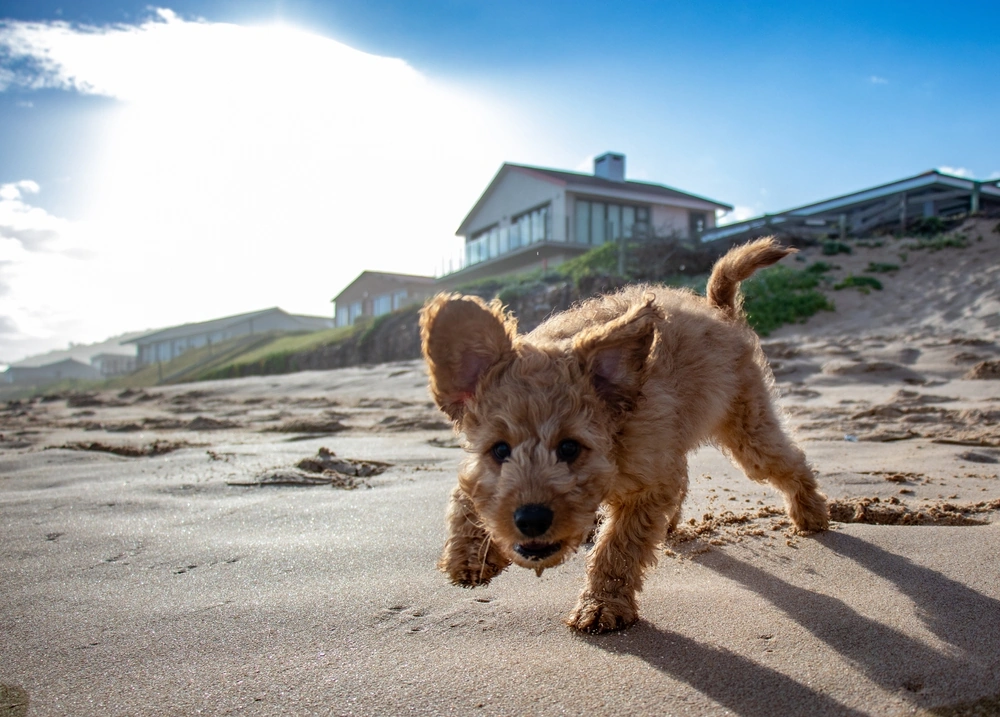
Sydney puppies are often overwhelmed by the noise, pace and density of city life if their exposure is rushed or poorly planned. The goal is to help young dogs feel calm and confident around real-world sights and sounds without flooding them or creating long-term fears. Trainers pay attention to controlled, positive experiences that prepare puppies for the busy urban environments they will live in.
Safe urban socialisation is less about ticking locations off a list and more about managing distance, duration and intensity. Owners should always work within their puppy’s comfort zone, then build up slowly as the puppy shows relaxed behaviour and curiosity.
Start with Quiet Versions of Busy Places
Instead of beginning directly on a packed beach promenade, fur parents should first find quieter versions of the same environment. This lets the puppy learn the “idea” of a place before facing its full intensity.
For café training, that might mean sitting on a quiet suburban café terrace at off-peak times where there are only a few people and one or two dogs. Puppies can watch from a distance, sniff the ground and settle beside their handler with gentle rewards for calm behaviour. As the puppy copes well, owners can move to slightly busier venues and gradually closer tables.
The same principle applies to high streets and transport hubs. Start on a quiet side street where cars are visible but not constant, then slowly progress closer to a main road as long as the puppy can still take food, respond to simple cues and show loose, relaxed body language. If the puppy stiffens, hides behind the owner or refuses food, the situation is too much and needs to be made easier.
Handling Noise, Traffic and Construction
Sydney noise is one of the biggest challenges for young dogs. Buses, air brakes, construction drills, skateboards and sirens can all startle a puppy if introduced poorly. Pair new sounds with distance and reward so the pup learns that loud equals safe and positive.
Owners can start by sitting in a parked car with windows partially open in a quiet street where traffic passes at a manageable volume. Each time a louder vehicle goes by, the puppy receives a small treat if they remain relatively calm. Simple focus games like “look at me” or hand targeting also help the pup feel they have something to do.
Construction zones should be approached from well outside the taped area at first. Puppies can watch moving machinery, smell new surfaces and hear bangs or drilling while far enough away to stay relaxed. If the pup startles, fur parents should calmly move further away and allow recovery instead of forcing them closer “to get used to it”.
Public Transport and Crowds
For transport, it is best to begin on an empty platform or at a quiet ferry wharf. Puppies can approach the station entry, listen to announcements and then retreat for a break. Short sessions where the puppy only watches trains or ferries come and go from a distance are often enough at first. Only once the pup is relaxed with the noise and movement should owners consider very short rides at off-peak times, avoiding packed carriages.
When introducing crowds, such as in markets or busy coastal walks, start on the outskirts rather than walking straight through the middle. Puppies can observe people, joggers, prams and other dogs moving past while kept at a distance where they can still focus on their handler. Frequent short breaks in quieter side streets or parks help prevent overstimulation and keep socialisation experiences positive.
How to Socialise a Puppy Gradually and Build Real Confidence
Socialisation that actually builds confidence is not about cramming in as many outings as possible. It is about giving a puppy repeated, positive experiences that stay within their comfort zone and slowly stretch it. Professionals focus on quality over quantity, so puppies learn that the world is safe and predictable.
Sydney is full of intense sounds, sights and smells. If owners move too fast, puppies can become overwhelmed and either shut down or overreact. A gradual plan helps the puppy feel safe first, then curious, then happy to engage.
Start With Distance, Then Decrease It
A key principle is to control how close and how long the puppy is exposed to something new. Every new thing should start at a distance where the puppy can notice it, but still:
- Eat treats
- Respond to their name
- Move calmly without hiding or lunging
For example, at a busy café, owners can begin across the road, where the puppy can watch people and prams without pressure to say hello. Once the puppy stays loose and relaxed for several visits, the owner can move a little closer on the next outing.
If a puppy freezes, pulls to get away, barks or refuses treats, the owner has gone too close or stayed too long. The next step is to quietly move away to where the puppy can relax again. This teaches the puppy that their need for space is respected, which actually builds trust faster.
Pair New Experiences With Something the Puppy Loves
To create positive associations, every new sight, sound or surface should predict something the puppy enjoys. Trainers coach owners to turn socialisation into a simple pattern: a new thing appears, then a good thing happens.
Here are some examples:
- A tram bell in the distance, then a stream of tiny food treats
- Walking past a skate park, then a short game with a favourite tug toy
- Hearing traffic from a side street, then gentle pats and calm praise
The puppy does not have to interact directly with the new experience at first. Watching calmly from a distance while eating is enough for the brain to file the experience as safe. Eventually, as the puppy chooses to move closer, owners can briefly allow polite interaction with people or dogs, then end while the puppy is still coping well.
Use Short Sessions and Regular “Decompression”
Long outings in busy areas tire puppies mentally, looking like sudden fear or wild behaviour. Most socialisation sessions last 10 to 20 minutes with one clear purpose, such as “see buses from 30 metres away” or “walk on different surfaces in the quiet park”.
After each outing, puppies need decompression, which might be a sniffy walk on a quiet street, a calm game at home or a nap in a crate or pen. This reset helps the nervous system process what happened so confidence can grow instead of fray over time.
When to Seek Professional Dog Training Support
Some puppy socialisation challenges can be managed at home with guidance, while others are a clear sign that expert help is needed. Recognising this early can prevent minor worries from turning into long-term behaviour problems that are harder and more stressful to fix.
Reach out sooner rather than later. Professional support is not only for “naughty” dogs. It is often the best way to protect a young puppy’s confidence and keep social experiences safe and positive.
Behaviour That Is Escalating Instead of Improving
If a puppy’s reactions around people, dogs or new environments are getting stronger instead of settling with gentle exposure, it is time to bring in professional help.
Owners should contact a trainer if they notice:
- Barking or lunging at dogs or people worsens each week
- Hiding behind the owner, freezing or refusing to move in everyday situations
- Growling when approached or handled, even by familiar people
These changes mean the puppy is not just “going through a phase”. A qualified trainer can adjust the socialisation plan, change the intensity of exposures and teach the owner how to respond in the moment so the puppy feels safer instead of more overwhelmed.
When Owners Feel Out of Their Depth
Even without obvious problem behaviour, many benefit from expert guidance simply because they feel unsure. Common situations seeking help include:
- Conflicting advice from breeders, vets, friends or social media
- Difficulty reading a puppy’s body language at off-leash parks or puppy play
- Worry about balancing socialisation with disease risk before vaccinations are complete
By involving a qualified trainer, early adopters gain clarity and confidence. That support helps ensure each new experience builds the puppy’s resilience rather than accidentally adding to their stress.
Building a Calm, Confident Dog for Life in Sydney
A calm, confident dog is not born that way. It is shaped by hundreds of small experiences in the first year of life. This means deliberately preparing puppies for busy streets, apartment living, off-leash parks and frequent visitors rather than simply hoping they will cope. The aim is not to flood them with as much as possible but to give them controlled, positive experiences that build resilience. Calmness and confidence then become a default way of responding instead of anxiety or overexcitement.
Teaching Puppies to Settle in a Busy City
Puppies are often taken everywhere, which sounds good but can create dogs that are always “on”. Many owners find their dog is friendly but cannot switch off at cafés, parks or home.
Short, planned settle sessions help build true calm. At home, this can look like having the puppy on a mat with a chew while the family cooks dinner or watches TV. The puppy learns that human activity does not always mean interaction. In apartments, this is vital so the dog can relax despite hallway noise or neighbours.
Outside the home, practise “boring time”. Sit on a bench in a quiet spot with the puppy on lead, reward any choice to lie down or check in, then leave before the puppy becomes restless. Gradually progress to slightly busier footpaths or quiet corners of dog-friendly cafés. The goal is a puppy that knows how to relax in public instead of constantly scanning and pulling.
Building Real Confidence Through Choice and Control
Confidence grows when puppies feel they have control and are not forced into scary situations. This is particularly important around traffic, trains, skateboards and crowded dog parks.
It is encouraged for owners to:
- Let the puppy choose how close to go to a new thing
- Use food or play only if the puppy is already curious, not terrified
- Create distance from anything that makes the puppy freeze, crouch or desperately pull away
This approach is also vital with other dogs. Instead of rushing into off-leash areas, start with calm on-leash walks parallel to a known friendly dog with space between them. Reward looking, sniffing and then reorienting to the owner. Confidence comes from successful low-pressure interactions, not from surviving chaotic greetings.
Daily Habits That Create Lifelong Stability
Small daily routines play a big role raising a dog that copes well with everyday life. Mix physical exercise with mental enrichment, such as sniff walks, simple search games at home or food puzzles. This satisfies energy without overstimulating the dog. Over-exercised, under-rested puppies often look “high energy” when they are actually overtired and unable to self-settle.
Finally, view socialisation as emotional education, not a checklist of exposures. If the puppy consistently finishes outings able to relax, eat and sleep, they are on the right track to becoming a calm, confident dog.
Bringing a puppy into your life is exciting, but it also comes with the responsibility of getting socialisation right from the beginning. Many future behaviour problems can be traced back to early experiences that were rushed, overwhelming or simply not well managed. Effective puppy socialisation is not about ticking off a list of dogs, people and places. It is about giving a young dog calm, positive and age-appropriate experiences that build genuine confidence and help them cope with the world around them. When that foundation is handled well, puppies are far more likely to grow into stable, adaptable adult dogs. If you are unsure at any stage, seeking qualified support early is always worthwhile.

