
Bringing a puppy home is exciting, but it also comes with responsibility, especially in busy Sydney households where routines are already full. At Canine Wise, we help families build everyday habits that feel natural, realistic and easy to stick with. Those early weeks shape how your puppy responds to people, noise, handling and new situations, so what you do early on matters more than most owners realise. For many families, puppy training in Sydney is worth starting early because small consistent actions can prevent a lot of common behaviour issues later.
Puppies do not arrive knowing how to fit into a modern home, so it helps to start guiding them from day one. We believe training should work alongside daily life, not take it over. Simple boundaries, clear routines and calm repetition give puppies structure without pressure or confusion. When the basics are introduced early and practised often, puppies settle faster and grow into more confident, easier-to-live-with dogs.

Raising a Puppy in Today’s Urban Environment
Raising a puppy in a busy city setting comes with different challenges compared to quieter areas. Daily exposure to noise, movement and unfamiliar people can shape behaviour earlier than many owners realise. Puppies adapt quickly, but it works best when new experiences are introduced with intention and patience. Understanding what city life looks like from your puppy’s point of view helps you guide learning in a calmer, more effective way.
How City Living Shapes Early Behaviour
Puppies in urban areas are exposed to constant stimulation from traffic, voices, other dogs and shared spaces. That can build confidence when it is introduced calmly, but it can also overwhelm a puppy if everything happens too quickly. Early behaviour patterns often reflect how these experiences are managed in the first few weeks. With calm guidance, puppies learn to take in what is happening around them without feeling the need to react.
- Busy footpaths, shared walkways and street noise can help puppies become more adaptable when they are allowed to watch and take things in, rather than being pushed to interact.
- In many city homes, quiet retreat spaces are limited, which can lead to restlessness. Teaching your puppy how to settle indoors becomes a daily habit, not something you only practise occasionally.
- Being close to strangers and other animals makes it important to teach neutral responses, so your puppy does not default to overexcitement or fear.
City living rewards steady routines and well-paced exposure. Puppies that learn how to pause, observe and relax tend to adjust more smoothly over time.
What Has Changed for Puppy Owners in Recent Years
Puppy ownership looks different now than it did years ago. Many Sydney owners live in apartments, work from home more often and turn to online advice when they are unsure what to do. That changes what puppies practise day to day, and it can shape behaviour early on.
A puppy that is rarely left alone can struggle when the routine suddenly changes, even for short periods. At the same time, online training advice can be overwhelming because different trainers often recommend completely different approaches. In smaller homes, everyday manners matter too, because there is less space for chaos, jumping and rough play.
The goal is not to follow rigid rules. It is to build simple routines that fit your household, so your puppy learns what to expect and how to settle.
Building Confidence Without Overexposure
Confidence is built through small, manageable experiences, not constant stimulation. Puppies do not need to meet everyone or do everything straight away. In fact, pushing too much too soon often creates stress and overreactions. A slower, more thoughtful approach helps puppies feel safe while they learn, which is what builds real resilience over time.
- Introducing new sights and sounds gradually gives your puppy time to watch first and engage later when they feel ready.
- Letting your puppy choose how close they want to get, rather than forcing interaction, builds trust and encourages curiosity.
- Repeating familiar experiences in different places helps your puppy generalise learning without feeling overwhelmed.
Confidence grows best when learning feels safe and predictable. Calm repetition helps your puppy trust both their surroundings and you.
Foundational Habits That Matter Most Early On
The habits your puppy learns early tend to stick. Puppies pick up patterns quickly, especially when those patterns are tied to attention, routines and what works in the moment. If the right behaviours are taught early, there is far less need to “fix” things later on. Consistency matters more than intensity, and small daily practice usually beats occasional big training sessions.
Calm Greetings and Boundaries and Recall Basics
Excitable greetings and unclear boundaries often become bigger issues as puppies grow. Early lessons around calm interaction and coming when called shape how your dog behaves in real-life situations, not just at home. The good news is these skills do not need long drills to be effective. They are built through everyday repetition.
- Reward calm greetings by giving attention when your puppy has four paws on the floor, not when they jump up.
- Set simple boundaries around furniture, doorways and play so your puppy understands what is allowed without confusion.
- Practise recall in short, low-distraction moments so your puppy learns the cue properly before you test it around bigger distractions.
These small habits, repeated daily, lead to more reliable behaviour over time. Calm routines create predictable responses.
Common Early Mistakes That Create Ongoing Issues
Many behaviour problems start unintentionally in the first few weeks. Puppies repeat whatever gets a response, whether it is praise, laughter or even frustration. Without realising it, owners can reinforce habits they do not actually want. A little clarity early on prevents a lot of confusion later.
- Inconsistent rules between days or family members teach puppies to test boundaries instead of learning them.
- Giving attention to unwanted behaviour can reinforce it, even if the attention is negative.
- Too much freedom too soon can overwhelm puppies who need structure to feel safe and settled.
The earlier you notice these patterns, the easier they are to change. Small adjustments now can prevent long-term frustration.
Teaching Independence and Rest Skills Early
Learning how to rest and cope with short periods alone is just as important as social skills. Puppies that never practise independence can struggle later, especially when routines change. These habits are best taught gently, in a way that feels normal and safe.
- Encourage naps in a quiet space so your puppy learns how to switch off and recover.
- Build short, positive separations so your puppy learns that alone time is safe and temporary.
- Avoid constant interaction throughout the day so your puppy can practise settling without relying on you for entertainment.
Independence supports emotional stability. Puppies that rest well tend to learn better and cope more calmly with everyday life.
Using Online Puppy Training Wisely
Online puppy training has become a go-to resource for many owners. It is convenient, easy to access and can be genuinely helpful, especially in the early weeks. At the same time, online learning has limits, and it can become confusing if you try to follow too many different methods at once. The key is using digital tools to support your training, not replace real-life practice.
When Digital Courses Can Be Helpful
Online resources work best when you treat them as guidance, not strict instructions. Watching a trainer demonstrate timing, body language and calm handling can help you understand what you are aiming for. These tools are most useful when you take the idea and apply it to your own puppy in everyday situations.
- Video examples can make basic techniques easier to understand and repeat at home.
- Structured programmes can help you stay consistent when you are still building routines.
- Clear explanations from experienced trainers can give you more confidence in day-to-day handling.
Used well, online learning can be a great support. It works best when you focus on understanding the concept, not copying every detail.
Where Online Training Often Falls Short
Online training cannot replace real-time feedback or a trainer seeing what is actually happening in your home. Puppies respond differently depending on temperament, environment and what they have already practised. What works perfectly in a video might not fit your puppy, your space or your daily routine.
- Without feedback, it is harder to know whether your timing or response needs adjusting.
- Online advice often misses household-specific challenges like limited space, visitors or noisy surroundings.
- Watching too much content can create doubt, especially when different trainers say different things.
If online training starts to feel overwhelming, that is usually a sign to simplify and focus on the basics again.
Blending Online Advice With Real-Life Practice
The best results come from combining online learning with real practice in the environments your puppy actually lives in. Puppies learn through repetition, and owners learn by watching what their puppy responds to. You do not need a perfect plan, you just need a consistent one.
- Work on one concept at a time so your puppy stays clear and you can track progress.
- Watch your puppy’s response and adjust based on what you see, not what a script says.
- Focus on consistency over perfection, especially in the early weeks.
When digital learning supports real-life training, progress feels steadier and more achievable for both you and your puppy.
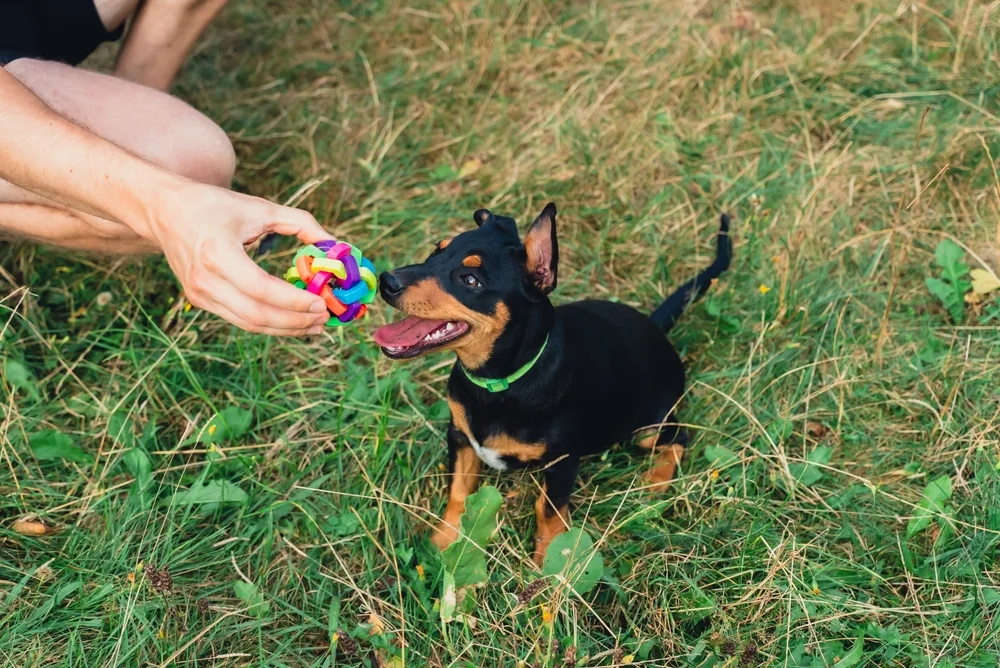
Recognising Early Signs of Stress or Anxiety
Puppies show how they are feeling through their behaviour long before problems become obvious. When you can spot stress early, you can adjust your approach gently instead of waiting until things escalate. Every puppy handles new experiences differently, so the goal is not to avoid challenge completely. It is to notice when your puppy is coping well and when they need more support.
Normal Adjustment Behaviours vs Red Flags
Not every change means something is wrong. Most puppies need time to settle into a new home, new routine and new environment. Knowing the difference between normal adjustment and signs of distress helps you respond in a calm, helpful way.
- Temporary changes in sleep, appetite or energy are common in the first few days and often settle once your puppy feels safe.
- A little hesitation in new places is normal, especially if your puppy can recover quickly and becomes curious again.
- Ongoing avoidance, shaking or shutting down can be a sign your puppy is overwhelmed and needs things slowed down.
Early awareness makes a big difference. The sooner you notice the pattern, the easier it is to prevent it becoming a long-term issue.
When to Step In and Adjust Your Approach
Sometimes the best training decision is to pause, take a step back or change the plan. Puppies learn best when they feel safe enough to think, not when they are pushed through situations they cannot handle yet. Adjusting your approach is not failure, it is part of good training.
- Reduce the intensity of exposure so your puppy can rebuild confidence without pressure.
- Return to familiar routines for a day or two to bring things back to a predictable rhythm.
- Slow progress down so your puppy has time to process and recover between new experiences.
When you respond early and calmly, your puppy learns that you are a safe guide, not another source of pressure.
Supporting Emotional Resilience Early
Resilience comes from manageable challenges, not constant exposure. Puppies need time to recover after new experiences, and they build confidence through repetition that feels safe and predictable. Over time, this creates a puppy that can handle change without becoming reactive.
- Give your puppy quiet recovery time after new outings, visitors or busy environments.
- Pair new experiences with positive outcomes so your puppy starts to feel good about novelty.
- Stay calm yourself, because your puppy will take emotional cues from your body language and tone.
Emotional resilience supports long-term behaviour. A puppy that feels safe and steady is far more likely to learn well and adapt confidently.
Fitting Training Into Real Family Life
Training works best when it fits naturally into everyday life. Most families are juggling work, school and everything else that comes with a busy routine, so training needs to feel doable, not like another full-time job. Puppies learn fastest when expectations are clear and consistent, even if you only have a few minutes at a time. In most cases, consistency matters far more than the total time spent training.
Consistency Across Household Members
Puppies learn quickest when everyone in the home follows the same approach. Mixed messages slow progress down and often create confusion, especially in the early weeks when puppies are still learning what is expected.
- Agree on a few simple house rules so your puppy is not getting different answers from different people.
- Use the same cues and language so your puppy can understand and respond more easily.
- Respond in a consistent way, so your puppy learns which behaviours lead to attention and which ones do not.
When the household is on the same page, training becomes smoother and far less frustrating.
Creating Routines That Support Long-Term Behaviour
Routines give puppies structure and predictability, which helps them feel secure. When a puppy knows what happens next, they settle more easily and make better choices. Simple daily patterns are often the difference between a puppy that feels chaotic and one that feels calm.
- Regular meal times, rest periods and play or training moments help create a steady rhythm.
- Short training practice built into normal routines makes learning easier to maintain.
- Predictable daily structure supports calmer behaviour, especially in busy households.
Routines reduce uncertainty and help puppies feel more settled as they grow.
Making Training Sustainable Over Time
The best training plan is one you can keep doing. Puppies learn through repetition, not intensity, and owners usually get the best results when training feels manageable and realistic. Progress does not need to be perfect to be effective.
- Set realistic expectations so training feels achievable rather than stressful.
- Notice and reward small improvements, because those are what build long-term change.
- Adjust routines as your puppy grows, because their needs will change over time.
When training stays balanced and consistent, good habits last longer and confidence builds naturally.
Building good habits from day one gives your puppy the best chance of growing into a calm, confident and adaptable dog. Early training does not need to be complicated, but it does need to be consistent. The small things you practise every day, like calm greetings, clear boundaries, rest time and steady exposure to the world, shape how your puppy learns to cope with real life.
When training fits naturally into your routine, it becomes easier to stick with and your puppy settles faster. With patience, structure and realistic expectations, you can build a foundation that supports good behaviour and emotional wellbeing for years to come.

