
Teaching calm behaviour in high-energy dogs is absolutely possible, but it usually takes more than just extra exercise. At Canine Wise, we work with busy owners looking for dog training in Sydney who feel overwhelmed by nonstop jumping, barking, pacing and attention-seeking at home. When a dog cannot settle, it affects the whole household, daily routines, visitors and your dog’s long-term wellbeing.
This guide is for anyone who wants practical, realistic strategies to help their dog relax at home without relying on constant treats. You will learn why some dogs struggle to switch off, what calm behaviour looks like in everyday life and how to build better settling habits through simple training and routine changes.
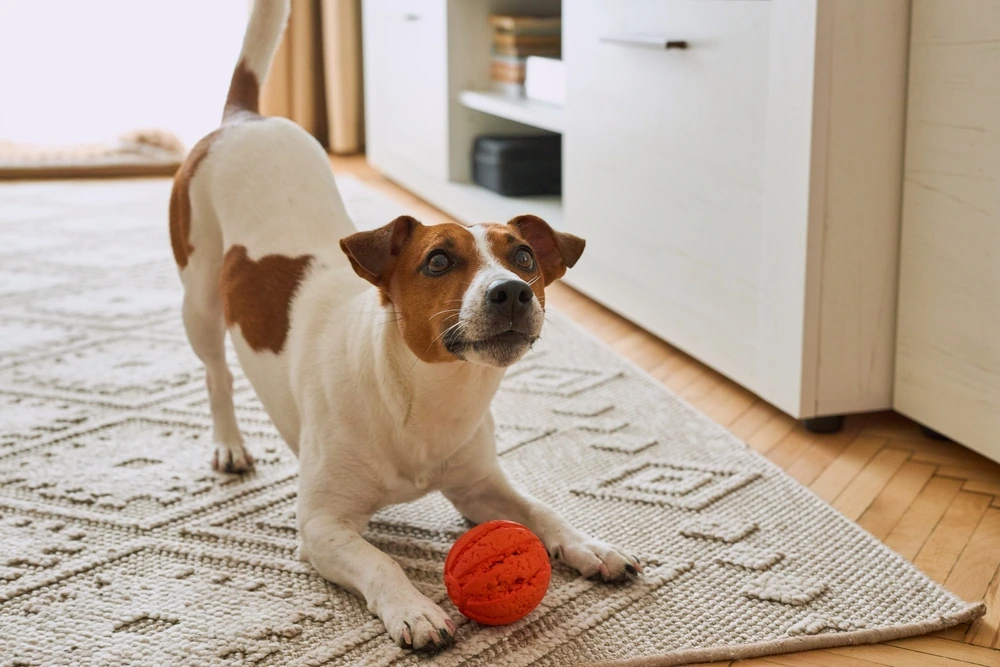
Why Some Dogs Struggle to Settle
If your dog seems like they have an internal motor that never stops, you are not imagining it. Many dogs genuinely struggle with calm behaviour, even when they are tired. It is not because they are being “naughty” or trying to push your buttons.
For a lot of high-energy dogs, settling is a skill they have not learned yet. In some cases, they have accidentally learned the opposite.
Energy Levels and Arousal
People often assume a high-energy dog simply needs more exercise, but energy is only one part of the picture. The other part is arousal, which is your dog’s internal state of alertness, excitement and intensity.
A dog can be physically tired but still mentally wired. This is why some dogs come home from a big outing and still:
- zoom around the house
- bark at movement outside
- jump all over visitors
- mouth hands or clothing
- struggle to lie down
- react more intensely to small triggers
High arousal dogs often go from calm to overexcited very quickly. Once they are in that state, they do not always know how to come back down on their own.
Some dogs are naturally more sensitive or intense due to genetics, breed traits or personality. Working breeds, herding breeds, terriers and young adolescent dogs often fall into this category, but any dog can develop an over-aroused pattern.
The key thing to understand is this. Calm is not the absence of energy. Calm is the ability to regulate energy.
The Impact of Daily Routines
Your dog’s daily routine plays a big role in whether calm behaviour develops naturally or becomes a struggle.
Some dogs do not settle because their day is unpredictable or overstimulating. Others do not settle because they have learned that being busy gets them what they want.
Here are a few routine patterns that commonly keep dogs in a constant “on” state:
1. Accidental reward for hyper behaviour
If your dog jumps, barks, whines or nudges you and you respond, even negatively, they may learn that excitement is the fastest way to get engagement.
2. Too much activity with no real rest
Some dogs have busy days filled with walks, play, training, visitors and stimulation, but not enough true downtime. Without structured rest, they stay in a cycle of constant activation.
3. Long periods of boredom followed by intense activity
Dogs who are under-stimulated for hours and then suddenly get a big burst of excitement, like a huge walk or rough play, can become more unsettled overall, not less.
4. No clear “off switch” built into the day
Many dogs never learn a pattern of activity, calm and rest. Instead, the day becomes activity, more activity, frustration and chaos.
A calm dog is not always born that way. Often, they are shaped by a routine that teaches them when to engage and when to switch off.
Calm Behaviour Is Learned
Many owners assume calm behaviour should happen naturally once their dog has had enough exercise. In reality, calmness is a learned skill. High-energy dogs often need to be shown what “settling” means, then given regular practice doing it in everyday situations.
Some dogs are naturally better at switching off. Others stay busy because they have learnt that movement, noise or attention-seeking leads to interaction. The goal is not to remove your dog’s energy or personality. The goal is to teach your dog how to self-settle, even when life around them is still active.
What Calm Looks Like in Practice
Calm behaviour is not your dog being shut down, fearful or “frozen”. It is a relaxed state where your dog can cope with normal daily life without constantly needing to react, move or demand attention.
In a home setting, calm behaviour often looks like:
- lying down with a soft body and relaxed breathing
- choosing to rest without being told
- staying settled while you cook, eat or work
- watching the environment without barking at every small sound
- waiting without whining, pacing or following you constantly
- recovering quickly after excitement
It can also show up in smaller moments that are easy to miss, like your dog pausing before rushing to the door, relaxing on their bed while visitors arrive or choosing a chew instead of jumping up for attention.
One of the biggest signs of progress is when calm becomes something your dog starts offering on their own. That might mean walking away from stimulation, lying down nearby or settling after a short interaction instead of escalating into more excitement.
Why Some Dogs Do Not Switch Off Easily
A lot of high-energy dogs do not struggle with listening. They struggle with slowing down.
You might take your dog for a decent walk, do a bit of training, feed them dinner and think they will finally rest. Instead, they pace the house, follow you everywhere, bark at small noises or keep bringing you toys like they are asking, “What’s next?”
Some dogs even come home from the dog park or a big adventure and seem more wound up than before. That is usually a sign your dog is still running on adrenaline and has not learnt how to properly come down from excitement.
Here are some of the most common reasons we see.
They have learnt that being busy gets attention
Many dogs work out pretty quickly that movement gets results. If your dog jumps up, whines, nudges your arm or drops a toy at your feet and you respond, they learn that excitement is the fastest way to get interaction.
Over time, your dog can start using those behaviours as their default, even when they are tired. For example, a dog that cannot settle while you are trying to cook dinner is often not “being naughty”. They have simply learnt that staying in your space and staying active keeps the attention going.
They do not know what to do when nothing is happening
Some dogs cope well when there is a clear activity like a walk, training or play. The problem is the quiet moments in between.
This is when owners often say, “My dog does not know how to relax.” You might sit down to watch TV and your dog starts pacing, hovering, staring at you or bouncing between rooms. They are not always asking for exercise. They are often looking for guidance because they have not learnt how to settle without being entertained.
They are constantly reacting to the environment
Many dogs are trying to rest, but their environment keeps pulling them back up.
This might be neighbours coming and going, birds outside, deliveries, kids playing nearby or even just hearing a door close down the street. If your dog is alert to everything, they never fully switch off because they are always waiting for the next thing to happen.
A common example is the dog that barks every time someone walks past the house, then takes ages to calm down afterwards. Even if the barking only lasts a few seconds, the recovery time can be much longer.
They are overtired, not under-exercised
This one surprises a lot of people. Some dogs get more unsettled the more tired they become.
Instead of resting, they become mouthy, silly, demanding or unable to lie still. You might notice it in the evening when your dog starts zooming, pestering other pets or getting snappy during play. This is very common in young dogs, working breeds and dogs that struggle to nap unless rest is encouraged.
In these cases, adding more activity often makes the problem worse because your dog is running on empty but still cannot settle.
They think lying down means the fun is over
Some dogs avoid settling because they have learnt that calm equals boredom. If every time your dog lies down, you stop interacting, stop moving and stop paying attention, they may fight that moment.
You might see this with dogs who only rest when they are crated or when you leave the house, but stay restless the moment you are home. They are not trying to be difficult. They have just learnt that your presence means something should be happening.
That is why calm training works best when your dog learns that resting is safe and comfortable, not something that makes them miss out.
If your dog cannot settle no matter what you do, it is worth getting help. Some dogs are dealing with anxiety, frustration or over-arousal and having a clear plan can make a big difference.
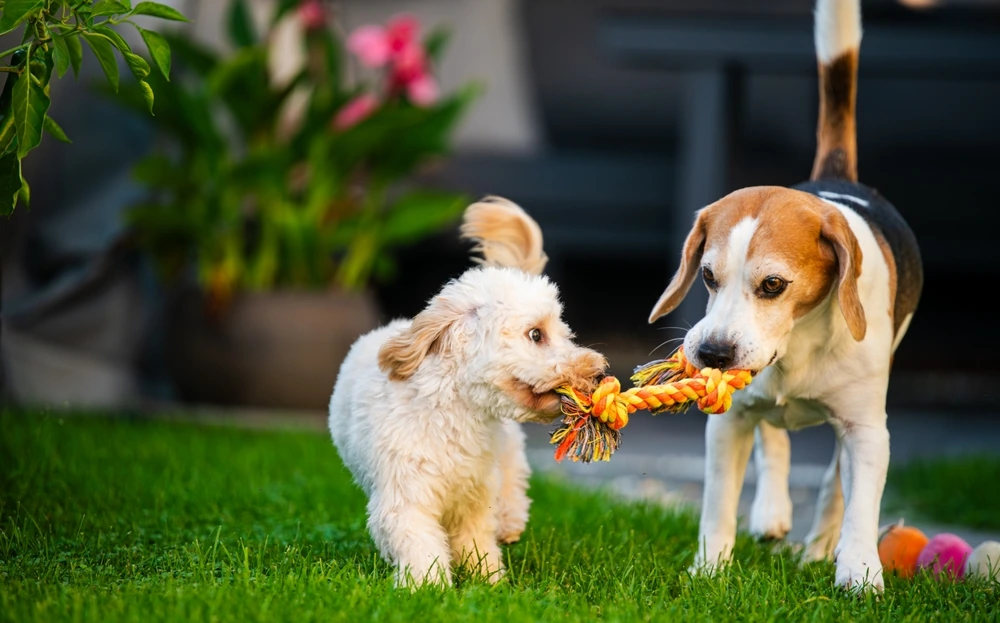
Managing Energy Without Overstimulating Your Dog
One of the biggest mistakes owners make with high-energy dogs is assuming the answer is always more exercise. Exercise matters, but there is a point where adding more activity creates a fitter dog who still cannot settle. In some cases, it can actually increase restlessness because your dog stays in a constant cycle of excitement and recovery never really happens.
The goal is not to “wear your dog out” every day. The goal is to meet your dog’s needs in a balanced way so they can be active when it is appropriate and calm when it is time to switch off.
Exercise and Its Limits
Exercise is important for physical health, joint strength and general wellbeing. It can also help reduce stress for many dogs, especially when the walk is calm and gives them time to sniff and explore.
The issue is that exercise alone does not teach calm behaviour. A dog can run for an hour and still come home wired, pacing and looking for more. This is especially common when exercise is highly stimulating, like fast games of fetch, dog parks or intense off-lead running with lots of chasing.
Here are a few signs your dog might be getting overstimulated instead of settling:
- they come home and struggle to relax for a long time
- they become more mouthy or demanding after exercise
- they start barking, pacing or zooming in the evening
- they seem constantly “on” and easily triggered
- they need bigger and bigger outings to feel satisfied
That does not mean you should stop exercising your dog. It just means the type of exercise and the way it is structured matters.
For many high-energy dogs, a better approach is a mix of:
- calmer walks with time to sniff
- short bursts of play instead of long intense sessions
- training built into daily routines
- planned rest time afterwards so the dog learns how to recover
Rest and recovery are part of fitness and they are part of behaviour too.
The Role of Mental Engagement
Mental engagement is one of the most effective ways to help a high-energy dog feel settled without constantly increasing physical exercise. It gives your dog a job to do, but it does not always create the same adrenaline spike as high-speed running or rough play.
Mental work can include problem-solving, sniffing, learning simple skills and practising calm behaviour in small doses. The best part is that it can be done in short sessions throughout the day, even if you are busy.
Examples of helpful mental engagement include:
- scatter feeding or “find it” games using their meals
- food puzzles or slow feeders
- short training sessions focused on simple cues
- teaching a settle on a mat or bed
- giving a chew or lick-based activity during downtime
- practising calm lead walking in quiet areas
For many dogs, sniffing is one of the most settling activities you can offer. A slow sniffy walk often leaves a dog more relaxed than a fast walk where they are pulling, scanning and reacting to everything around them.
The key is balance. If every activity you do with your dog is intense, your dog will stay in an intense mindset. If you build in calm mental work and follow it with rest, you start teaching your dog that being relaxed is part of the daily routine, not something that only happens when they collapse from exhaustion.
Teaching Calm Without Constant Treats
A lot of owners worry that if they use treats to teach calm behaviour, their dog will only behave when food is involved. That is a fair concern, especially with high-energy dogs who quickly learn to work the system.
The truth is treats can be a helpful teaching tool, but they are not the end goal. Calm behaviour becomes reliable when your dog learns patterns, routines and self-control, not just when they are waiting for a snack.
You can absolutely teach calm without having to carry treats in your pocket forever. The key is using rewards strategically at the start, then shifting your dog toward real-life rewards like rest, space, praise and predictable outcomes.
Building Self-Regulation Through Structure
Self-regulation is your dog’s ability to pause, think and settle instead of reacting immediately. Some dogs naturally have more of this skill, but many high-energy dogs need it built through structure and repetition.
Structure does not mean being strict or controlling. It means giving your dog clear expectations, clear boundaries and enough guidance that they do not have to guess what to do next.
Here are a few simple ways structure supports calm behaviour:
Teach your dog what to do when they want something
Many excitable behaviours happen because the dog wants access to something and they have no calm strategy to get it. This might be food, attention, play, going outside or greeting someone.
A simple example is teaching your dog to sit or lie down before:
- getting their meal
- going out the door
- getting the lead clipped on
- being patted
- starting a game
This is not about forcing obedience. It is about teaching your dog that calm behaviour is what makes good things happen.
Use short calm pauses during everyday life
You do not need long training sessions to teach calm. You can build it into daily moments.
For example:
- ask for a short settle before throwing a toy
- wait for four paws on the floor before greeting
- pause at the front door until your dog relaxes slightly
- reward quiet behaviour when you sit down
These small pauses teach your dog to slow down without creating frustration.
Create a consistent “settle spot”
Many dogs benefit from having a predictable place where calm happens, like a mat, bed or crate if your dog is crate trained. The goal is that this spot becomes a cue for rest.
Start by rewarding your dog for choosing the spot, then reward them for staying there calmly. Over time, it becomes a habit, not just a trained behaviour.
Reinforce calm when it happens naturally
One of the most overlooked training opportunities is when your dog is already calm.
If your dog lies down on their own, relaxes after a walk or settles while you are busy, quietly acknowledge it. This can be a calm “good dog”, gentle contact or occasionally placing a treat between their paws.
This helps your dog learn that calm behaviour is valuable, not invisible.
Fading Food Rewards Over Time
Treats are useful in the early stages because they make learning clear and fast. The mistake people make is rewarding every calm moment forever, which can create a dog that constantly checks in for payment.
Instead, think of treats as temporary training wheels. Once your dog understands the behaviour, you gradually reduce how often food is involved.
Here is a simple way to fade treats without losing progress.
Step 1: Reward frequently while your dog is learning
In the early stage, reward calm often enough that your dog stays engaged and understands what is being reinforced. This is especially important for dogs who struggle to settle at all.
Step 2: Switch from constant rewards to random rewards
Once your dog can settle for short periods, start rewarding unpredictably. This might mean treating after 10 seconds, then 30 seconds, then 15 seconds. Your dog learns that calm behaviour is still worth doing, even when food is not immediate.
Step 3: Replace treats with other rewards
Over time, calm behaviour can be reinforced with real-life outcomes, like:
- being allowed to stay near you
- getting attention or praise
- being given a chew
- being invited onto their bed
- being released to go outside
- being allowed to greet someone calmly
These rewards help calm behaviour become part of everyday life, not something your dog only does for food.
Step 4: Save treats for harder situations
Even once your dog is improving, there will be moments where settling is genuinely difficult, like visitors arriving, kids running around or high distraction environments.
In these situations, it makes sense to bring treats back temporarily because you are asking more of your dog. The goal is not to avoid treats completely. The goal is to use them wisely, then fade them when the skill becomes stronger.
If your dog struggles to settle even with structure and reward changes, it is worth getting support. Sometimes the plan needs to be adjusted based on your dog’s arousal level, environment and daily routine, and a trainer can help you tighten the approach so progress becomes consistent.
Everyday Habits That Support Calm Behaviour
Training helps, but calm behaviour is also built through everyday habits. The way your dog’s day is structured can either support settling or keep them stuck in a pattern of constant excitement.
For high-energy dogs, the goal is to create a lifestyle where activity is balanced with downtime. This helps your dog learn that being calm is part of normal life, not something that only happens when they collapse from exhaustion.
Predictability, Rest and Downtime
Many dogs settle better when their day has a predictable rhythm. This does not mean your routine has to be strict, but it helps when your dog can roughly expect when activity happens and when rest happens.
A helpful daily pattern looks like this:
- activity like a walk, play or training
- a calm transition like a chew, sniffing or quiet time
- rest time with minimal interruptions
That calm transition matters because it helps your dog shift gears instead of staying in “go mode” for hours.
Rest is also something many high-energy dogs need help with. Some dogs will not choose to sleep unless the environment supports it. This can include:
- a quiet space away from noise and foot traffic
- limiting constant access to windows and front doors
- using a bed, mat or crate if your dog is comfortable with it
- reducing random stimulation during rest time
A good guideline is that most dogs need a lot more sleep than owners realise. Young dogs and adolescents often need even more downtime. If your dog is constantly active all day, it is very easy for them to become overtired and harder to live with in the evenings.
Downtime does not mean ignoring your dog. It means giving them permission to do nothing and teaching them that nothing happening is normal.
Common Mistakes That Reinforce Excitement
A lot of over-excited behaviour is unintentionally reinforced. Owners are not doing anything wrong on purpose. It just happens because people naturally respond to the dog in front of them.
Here are a few common patterns that keep excitement going.
Responding to every demand for attention
If your dog barks, whines, paws or nudges and you respond every time, your dog learns that persistence works. Even telling your dog “no” can become rewarding if they are getting a reaction.
Only giving attention when your dog is excited
Many dogs learn that calm behaviour gets ignored, but excitement gets engagement. If your dog is lying quietly and you do not acknowledge it, but you respond immediately when they jump up, the dog learns which behaviour works.
Too much high-intensity play
Fast games like constant fetch, rough play and chase can increase arousal, especially if they happen daily with no calming routine afterwards. These games are not always bad, but they need to be balanced with calm activities and rest.
Accidentally building a dog who cannot cope with quiet
If your dog is always entertained, they may never learn how to settle independently. This can happen when the day is filled with constant interaction, toys, stimulation and activity without breaks.
Expecting calm without teaching it
A lot of owners wait for their dog to grow out of the behaviour, but many high-energy dogs do not. Calm behaviour improves when it is practised and reinforced as a skill.
If your dog is struggling to settle and it is affecting daily life, it is worth getting help. You do not have to live with constant chaos at home and you do not have to figure it out alone. With the right routine and a clear training plan, most dogs can learn how to settle and relax more consistently.
Teaching calm behaviour in a high-energy dog is not about stopping them from being energetic. It is about helping them learn how to settle, cope with everyday life and switch from activity to rest without constant input from you.
Once you understand why your dog struggles to relax, you can start making small changes that add up. A balanced routine, the right type of exercise, simple structure at home and rewarding calm moments all help your dog build better self-control over time.
If your dog is finding it hard to settle no matter what you try, it is worth getting support. Some dogs need a more tailored plan to reduce over-arousal, build better habits and make calm behaviour consistent. With the right approach, most dogs can learn to relax more easily and your home can feel calmer too.

