
Leaving a new puppy home alone is one of the first real challenges owners face. The question is rarely just “How long can I leave them?” but whether they are truly ready at their age. At Canine Wise, we regularly see how misunderstandings around alone time can lead to accidents, distress or long-term behaviour issues. Whether owners are seeking general advice or exploring puppy training in Sydney for added support, understanding what is developmentally appropriate makes all the difference.
This article breaks down safe alone-time guidelines by age, explaining how bladder control, emotional maturity and life stage affect what a puppy can realistically handle. You will learn how to build independence gradually, create a safe environment and recognise early signs that a puppy is not coping. With the right approach, alone time becomes a skill that strengthens confidence rather than creating anxiety.
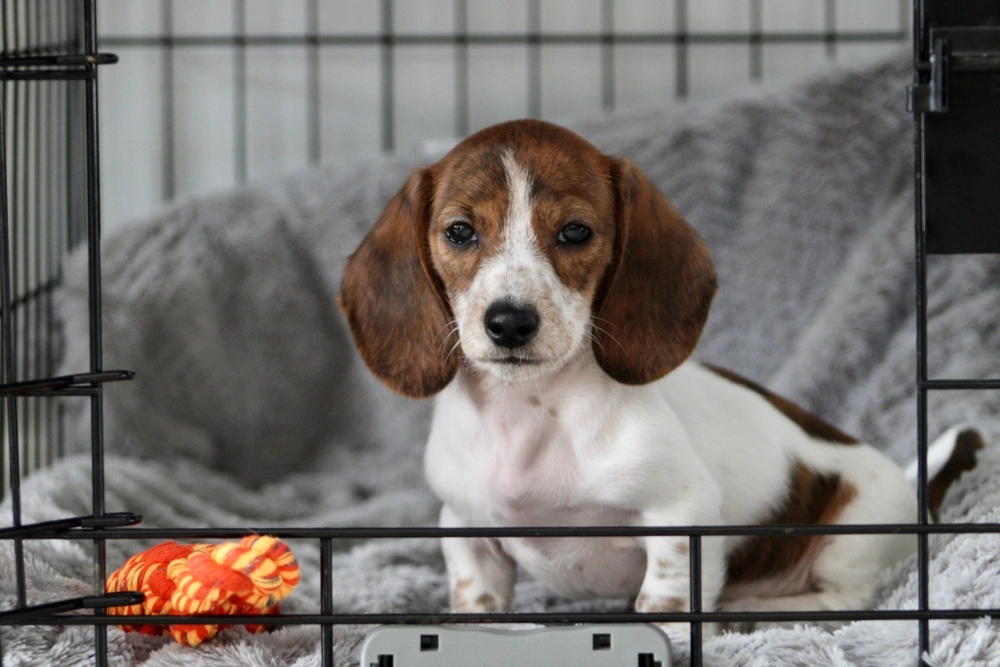
Why Puppies Struggle More With Being Alone
Puppies find alone time much harder than adult dogs because of their stage of development, emotional needs and very limited self-control. When someone searches this topic, they usually want to know why their puppy cries, chews or toilets indoors when left and what is normal versus concerning. These reactions are not naughtiness but a predictable mix of biology, learning and fear.
Understanding what is happening for a puppy helps owners set realistic expectations and plan alone time that is safe and humane. It also reduces the risk of problems such as separation anxiety developing as the puppy grows.
Young Brains and Bodies Are Not Ready Yet
Puppies have immature nervous systems. They are still learning to regulate emotions like frustration and fear, so being left alone can feel overwhelming. An 8- to 12-week-old puppy that panics when left is reacting with genuine distress rather than stubbornness.
Their physical needs also make alone time harder. Puppies need to toilet frequently, often every 1 to 2 hours when very young. Leaving them longer almost guarantees accidents no matter how well trained they seem. They also tire quickly but only for short bursts, so they cycle between high energy and sudden sleep, which makes their behaviour unpredictable if left unsupervised.
Puppies also lack impulse control. Given time alone with shoes or furniture, they are likely to chew first and think later. Chewing is a normal way for puppies to explore and soothe sore gums, but it becomes risky without guidance.
Strong Social Needs and Fear of Isolation
Dogs are social animals, and puppies are the most social of all. Until adoption they have never been alone. They sleep in a heap with littermates and rely on their mother for comfort, safety and warmth. Being suddenly left solo in a quiet house can feel frightening and unsafe.
This is why many puppies vocalise when left. Barking, whining or howling is an instinctive way to call the group back. From the puppy’s point of view noise is a survival strategy, not a behaviour problem.
At the same time puppies go through fear periods when they are more likely to form long-lasting worries about situations that feel scary. If long or unpredictable absences begin during these times, the puppy may start to associate being alone with panic, which increases the risk of future separation-related issues.
Lack of Experience and Predictability
Very young puppies have almost no life experience. They do not yet understand that people always come back. When the front door closes, it can feel final, which fuels anxiety and clinginess.
Puppies also struggle if the pattern of alone time is inconsistent. For example, if they are rarely left alone and then suddenly kept home for a full workday, they have no gradual practice. Without a clear routine, they cannot predict when they will next have company or a toilet break, which adds to stress.
By recognising these factors, expert trainers encourage owners to treat alone time for puppies as a skill that must be built in small, careful steps rather than something a young dog can simply cope with from day one.
How Long Puppies Can Be Left Alone at Different Ages
How long a puppy can stay home alone depends mainly on age, bladder control and emotional maturity. Leaving a puppy alone for too long can lead to accidents, distress and long-term behaviour problems, so it is important to match absence time to the puppy’s stage of development.
The following age guidelines should be treated as maximum limits rather than goals. If a puppy struggles at a certain duration, the time should be reduced and rebuilt gradually so confidence develops without unnecessary stress.
8 to 10 Weeks: Very Short Absences Only
Young puppies in this age range need near-constant supervision. Most can only hold their bladder for about 1 to 2 hours during the day, and they have very limited ability to self-soothe.
At this stage a puppy should not be left entirely alone for more than about 30 to 60 minutes and only if it is safely contained in a puppy‑proofed area or crate and has recently toileted, eaten and had playtime. Even with that, someone should be available in the home or nearby to respond if the puppy is distressed or needs to go out.
Owners who work full days need help, such as a family member, neighbour, pet sitter or reputable daycare that accepts very young puppies.
3 to 4 Months: Slowly Building Independence
By 3 months many puppies can manage 2 to 3 hours between toilet breaks during the day, sometimes 4 hours by 4 months, although small breeds often need more frequent trips. Emotional tolerance for solitude is also improving but still quite limited.
Expert dog trainers advise planning no more than 2 hours alone regularly at 3 months and up to around 3 to 4 hours by 4 months if the puppy has been gradually prepared. The puppy should have:
- A safe confinement area with a bed and separate toilet area if needed
- Chew toys or food puzzles for quiet occupation
- A visit scheduled partway through any longer stretch for a toilet break and human contact
If a puppy cries continuously, has repeated accidents or starts to chew doors or bars, it is not coping at that duration and the time alone should be shortened.
5 to 6 Months and Beyond: Approaching Adult Limits
From about 5 to 6 months many puppies can physically hold their bladder for 4 to 6 hours in the day, although individual variation is large. Behaviourally they may still find long periods alone stressful, especially active working breeds or very social dogs.
Around this age, expert trainers consider 4 hours alone a reasonable regular limit for most puppies, with a maximum of around 6 hours only if the dog has been carefully trained to relax alone and has a reliable midday visit for exercise and toileting. An 8- to 9-hour workday without a break is still too long for nearly all puppies and will likely create welfare and training issues.
Even as puppies approach adulthood, owners should continue to provide breaks, mental enrichment and consistent routines so that time alone feels predictable and safe rather than worrying or boring.
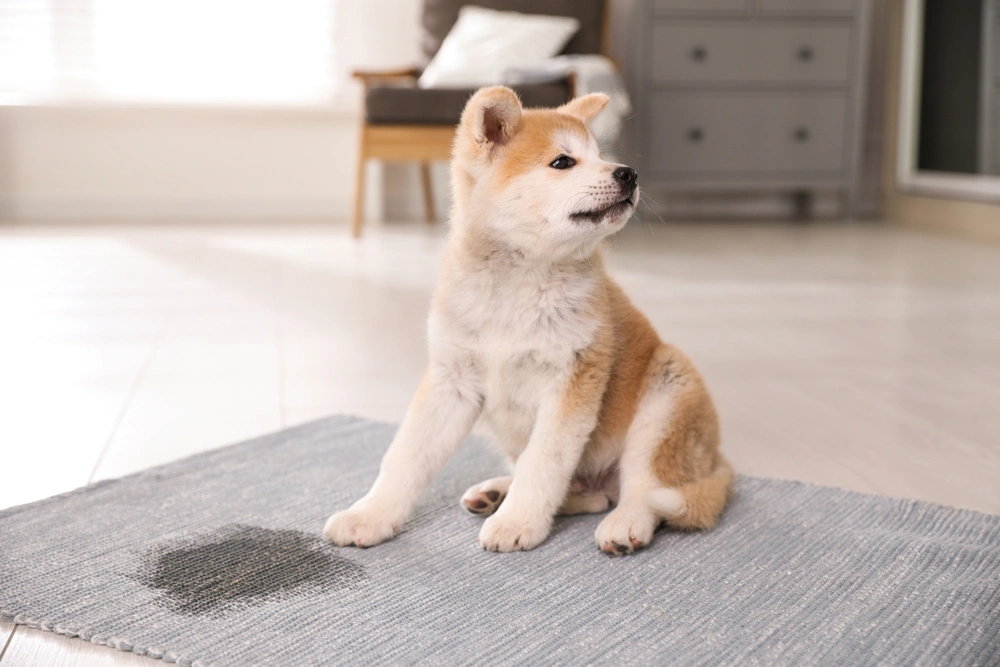
Signs Your Puppy Is Not Coping With Being Alone
When a puppy struggles alone, the signs are often clear if an owner knows what to look for. Expert dog trainers encourage guardians to watch for patterns that show their puppy is not just bored but genuinely distressed when left at home.
Not every accident or chewed shoe means there is a problem. The key is whether the behaviour is intense, happens mainly when the puppy is alone and starts soon after the owner leaves. The following signs help owners decide when to adjust routines or seek professional help.
Vocalisation and Distress Behaviours
One of the most common red flags is persistent vocalisation. A puppy that cries or whines for a minute after the front door closes can be within a normal adjustment period. A puppy that howls, barks or screeches for long periods whenever it is left alone is likely not coping.
Owners might notice that neighbours report constant barking or that the puppy starts vocalising as soon as it sees departure cues such as picking up keys or putting on a coat. This type of vocalisation is usually high-pitched and frantic rather than the occasional bark at outside noises.
Other obvious distress signs include pacing, spinning or frantic jumping at doors and windows as the owner prepares to leave or immediately after departure. A puppy that trembles, drools excessively or refuses treats when alone is also signalling that being left is overwhelming.
Destruction, Toileting and Escape Attempts
Chewing is normal in puppies, but it is important to look at where and when it happens. Targeted destruction around doors, windows, crates or baby gates is often linked to separation distress. Scratched paint, chewed door frames or bent crate bars suggest the puppy is trying to escape rather than simply exploring.
House-soiling that occurs only when the puppy is alone, even if it is fully toilet trained at other times, is another warning sign. This is particularly concerning if the puppy had ample opportunity to toilet before being left. Stress can trigger sudden urination or defecation on beds, sofas or near exits.
Escape behaviours are especially serious. A puppy that claws at doors until paws or nails are damaged, pushes at window latches or breaks out of crates is not coping. Any self-injury linked to confinement or separation should be treated as an urgent welfare concern.
Subtle Signs After the Owner Returns
Not all signs occur while the puppy is alone. Some puppies show their struggle in how they behave when the owner comes back. A puppy that greets with extreme intensity and then refuses to settle for a long time may be overly relieved rather than simply happy.
Other subtle signs include a puppy that follows the owner from room to room at home and cannot relax if the bathroom door is closed. Increased clinginess before the owner goes out, such as blocking the doorway or grabbing at clothing, can also signal rising anxiety.
Owners should also pay attention to changes in appetite or energy on days with longer alone time. A puppy that consistently refuses meals, seems unusually flat or sleeps far more after being left is likely finding the experience emotionally draining.
How to Safely Build Up Alone Time for a Puppy
Teaching a puppy to be relaxed when left alone is as important as house training or socialisation. The goal is for the puppy to see alone time as predictable and safe, not scary or confusing. Most expert dog trainers recommend starting this process early and progressing slowly so the puppy’s confidence grows at each stage.
Rather than suddenly leaving a puppy for hours, owners should use short, planned absences that gradually increase in length. This reduces the risk of separation anxiety and helps the puppy learn a calm routine.
Start With Micro Absences While You Are at Home
Begin when the puppy is already tired after play, training or a walk. Settle them in a safe area, such as a crate or puppy pen, with a comfortable bed and something to chew.
Shut a baby gate or door for just 10 to 30 seconds while the owner steps into another room. Return before the puppy becomes distressed. The puppy should see the owner leave and come back calmly. There is no need for a big goodbye or excited greeting, which can make departures feel more dramatic.
Repeat this several times a day, extending the time by 10 to 30 seconds as long as the puppy stays settled. If the puppy whines briefly and then quickly lies down, that is usually normal adjustment. If they escalate to frantic crying or scratching, the owner has gone too fast and should reduce the length next time.
Background sound such as a radio can help some puppies relax. Professional dog trainers also suggest reserving a special food-stuffed toy only for alone time so the puppy builds a positive association with separation.
Progress to Short Absences Out of the Home
Once the puppy can rest calmly in a separate room for 20 to 30 minutes with the owner in the house, it is usually ready for very short trips outside. This might simply be stepping out to the garden or walking to the bin.
Keep the routine simple. Settle the puppy with a toilet break and brief play, then into their safe area with their special chew. Say a short neutral phrase such as “back soon” and leave. At first the owner might only be out for 2 to 5 minutes.
Use a camera or baby monitor if possible so behaviour can be checked. The puppy may look around or have a small whine, then settle. Prolonged pacing, continuous barking or attempts to escape indicate that the plan needs to slow down with shorter absences.
Gradually build up to 30 to 60 minutes over several days or weeks depending on the individual puppy. Frequency is more important than speed. Several tiny absences per day are better than one long one.
Keep a Stable Routine and Avoid Big Jumps
Puppies feel safer when alone time is predictable. Following a consistent order of events helps them understand what happens next and reduces uncertainty. A typical pattern might be toilet, play, a short calm cuddle, then settling into a safe area with a chew before the owner leaves.
Experienced dog trainers advise against suddenly increasing absence time from one hour to three. If the puppy is comfortable at a certain duration, repeat that length for a few days before extending it by 10 to 20 minutes. Gradual increases allow confidence to build rather than testing it.
Growth spurts, teething or changes in the household can temporarily lower a puppy’s tolerance for being alone. During these periods it is wise to hold steady or even step back slightly instead of pushing forward.
If a puppy panics even during very short absences or begins to regress despite consistent training, professional guidance may be appropriate. A qualified trainer or veterinary professional can assess whether the behaviour reflects normal developmental adjustment or a developing separation-related concern and help refine the plan.
How Alone Time Changes as Your Puppy Grows Into an Adult Dog
As a puppy matures, their ability to handle time alone changes dramatically. Dog trainers help owners understand what is realistic at each stage so they can plan work schedules, outings and training in a way that supports a confident, relaxed adult dog.
The goal is not to rush a puppy into adult routines but to gradually build independence. By watching development rather than the calendar, owners can increase alone time safely and avoid problems like separation anxiety or destructive behaviour.
From Teen Months to Young Adult (6 to 18 months)
From around 6 months, many puppies can manage 3 to 4 hours alone during the day if they have had a proper walk, play session and toilet break beforehand. They still have high energy and strong curiosity, so thoughtful management remains essential. This may mean using a crate for part of the time or providing a puppy-proofed room with safe chew toys and no access to cords, shoes or rubbish.
At this stage, many dogs appear physically grown, but impulse control and bladder capacity are still developing. Total weekday alone time is best kept within 4 to 6 hours in one stretch, with the upper end suitable only for calmer individuals who have been gradually prepared. If workdays run longer, a midday visit from a trusted friend, neighbour or dog walker is advisable.
Hormonal changes during adolescence can temporarily increase clinginess or testing behaviours. If a teenage dog suddenly struggles with being left again, it is often a developmental phase rather than a setback in training. Returning to shorter absences, using food enrichment and keeping departures calm and predictable before gradually extending time again usually restores confidence.
Settling Into Adult Patterns (18 months to around 7 years)
By about 18 to 24 months many dogs are emotionally and physically mature. A well-trained adult that has been carefully prepared can often cope with 4 to 6 hours alone during the day. Some can manage up to 8 in exceptional circumstances, yet expert trainers advise that this should not be the daily norm.
Before longer absences, an adult dog should have:
- A proper walk with off-lead time where safe or active lead walking
- A chance to toilet
- Mental enrichment such as training games or food puzzles
Owners can usually move from crates to give more access as the dog demonstrates reliability. Some adults still feel safer in a crate with the door open, while others relax best in one or two closed-off rooms. What matters is that the dog settles, sleeps and does not show signs of distress like pacing, excessive barking or heavy panting.
Adjusting Alone Time for Senior Dogs
From around 7 years, many dogs begin to slow down. They might tolerate being alone happily in terms of emotions, but their bodies change. Older dogs often need more frequent toilet breaks and may develop stiffness or medical issues that make long stretches uncomfortable.
Professional trainers encourage owners of senior dogs to shorten alone periods again where possible and to schedule:
- Midday toilet breaks
- Softer bedding and easy access to water
- Lower intensity exercise before being left
Some older dogs also become more attached to their people. If a previously independent dog starts whining or pacing when left, that can be a sign to review health as well as alone-time routines.
In the end, leaving a puppy home alone is not about finding one “correct” number of hours. It is about building an age-appropriate plan that protects welfare and supports long-term behaviour. From the early weeks where absences are measured in minutes, through the steady progress of 3 to 6 months, and into adolescence and adulthood, each stage has its own limits and learning opportunities.
When alone time matches bladder capacity, emotional maturity and developmental milestones, puppies are far more likely to feel safe rather than overwhelmed. This reduces the risk of anxiety, destructive behaviour and house-soiling becoming entrenched habits.
The aim is not simply to get through the puppy stage, but to raise a dog who can relax in their own company and cope confidently with everyday life. When owners treat independence as a skill to be taught gradually, they create calmer routines, a more secure dog and a stronger relationship that lasts well beyond puppyhood.

