
Canine Wise understands how embarrassing and stressful it can feel when a dog launches at visitors the moment they walk through the door. What starts as an enthusiastic greeting can quickly become a safety concern, especially for children, older relatives or anyone nervous around dogs. In this article, trainers explore why dogs jump on guests, what this behaviour means and how everyday routines may be unintentionally rewarding the problem. By looking beneath the surface, you will see that this is not simply a matter of a dog being “naughty” but a mix of emotion, training history and environment.
You will also learn how to set up the home so that greetings are calmer and more predictable. By the end of a dog behaviour training in Sydney, you will understand how to replace chaotic door greetings with polite, confident behaviour that keeps guests and dogs comfortable and safe.
Why Dogs Jump on Guests
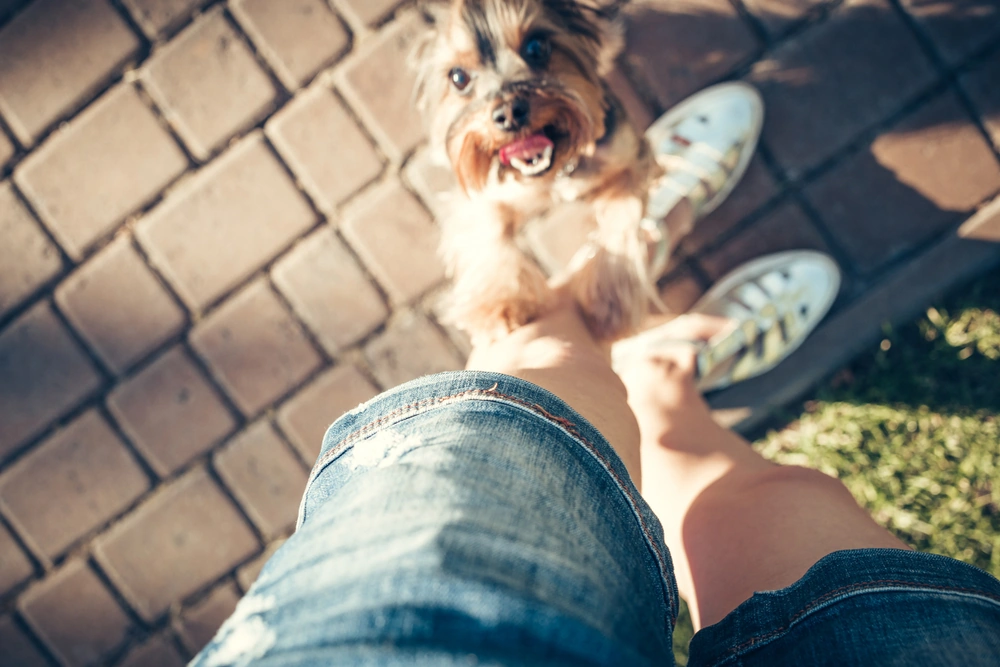
Most dogs that jump on visitors are not being deliberately naughty. They are using a very natural canine behaviour to say hello or to release excitement. For owners, this can feel embarrassing or even dangerous, especially if the dog is large or the guest is unsteady on their feet. Understanding why dogs jump is the first step to changing the habit.
Professional trainers explain to clients that jumping is usually driven by emotion, not by a wish to dominate. When owners see the behaviour as a communication problem rather than a power struggle, it becomes much easier to teach the dog a calmer greeting.
Seeking Attention and Social Contact
In the dog world, individuals naturally approach faces to gather scent and social information. Human faces are high up, so many dogs jump to get closer. If the dog has a history of being patted or spoken to when it jumps, the behaviour is strongly reinforced.
Guests often unintentionally reward jumping. A typical scene is a visitor entering the home and the dog bouncing up. The guest may laugh, put their hands out or say hello in an excited voice. Even if they try to push the dog down, they are still giving touch and eye contact, which are powerful rewards. From the dog’s view, jumping is the quickest way to make people engage.
Some dogs also learn that jumping is the only reliable way to cut through background noise. If polite sitting or standing is ignored but leaping up always gets a reaction, most dogs will choose the behaviour that works.
Excitement and Poor Self-Control
Many dogs jump because they are overwhelmed with excitement when someone arrives. The sound of the doorbell, the movement in the hallway and raised human voices can easily push arousal levels very high. In that state, it is difficult for a dog to remember any training.
Young dogs and energetic breeds are especially prone to this. They often have not yet developed the emotional self-control needed to keep four paws on the floor in a highly stimulating moment. If greetings are always chaotic, the dog never gets practice at calmer behaviour.
In some cases, the dog has never been shown a clear alternative. Owners might say “off” or “get down” yet have not taught a specific skill, such as “go to your bed” or “sit to be greeted”. Without a practised behaviour to fall back on, the dog simply repeats what it has always done.
Anxiety or Uncertainty With Visitors
Not all jumping is happy enthusiasm. Some anxious or conflicted dogs jump up to sniff frantically, lick faces or cling to clothing. This can be an attempt to reduce their own stress or to control the situation by getting very close to the person.
If a dog jumps then backs away, barks or shows other signs of discomfort, such as lip licking, yawning or a tense body, experts would treat the behaviour as a possible fear or social worry issue. In those cases, jumping is a symptom of emotional overload and needs a careful plan that addresses the dog’s feelings as well as the greeting routine.
Why Saying “No” Doesn’t Stop the Behaviour
Many owners feel frustrated that their dog keeps jumping even though they hear “No” every single time. It can seem as if the dog is being stubborn or disobedient. In reality, the word itself does very little to change the behaviour and can even add to the dog’s excitement.
Experts focus on teaching owners what actually drives jumping and how to give dogs clear information about what to do instead. Understanding why “no” fails is the first step to replacing it with training that works.
“No” Does Not Tell the Dog What to Do
Dogs learn best when they are shown a clear alternative behaviour. “No” might interrupt the jump for a second, but it does not answer the question “What should I do instead?"
From the dog’s point of view, the picture is confusing. A guest arrives and the dog rushes forward and jumps. The owner says "no" and maybe pulls the dog back. The guest is still right there, the dog still wants to say hello and nothing else has been taught. Without a specific behaviour such as “sit” or “four paws on the floor”, the dog will usually try jumping again.
Effective training replaces "no" with concrete skills. For example, the dog is rewarded for planting its bottom on the floor before a guest approaches. Eventually, the dog learns that sitting calmly is how attention happens and jumping no longer pays off.
Attention Can Reward the Jumping
From a training perspective, any attention can act as a reward even if it sounds annoyed. Many dogs find eye contact, talking and hands reaching towards them highly reinforcing. When an owner shouts “No”, looks at the dog and pushes it away, the dog is still getting contact and interaction.
This creates a simple learning pattern. The dog jumps and the guest and owner react. The dog receives a burst of attention. The dog learns that jumping is a reliable way to get people to engage. Even negative attention can keep the behaviour strong.
Emotion Often Overrides the Word
When guests arrive, many dogs are already highly aroused. They may be excited, worried or overstimulated, and in that moment their self-control is at its weakest. A single word such as “no” is rarely enough to interrupt that emotional response.
On top of this, the word is often used in many different situations. Owners say “no” when the dog steals socks, barks at the window, noses the bin or jumps on people. Over time, the word can become background noise with no clear meaning. Unless it has been taught consistently, it does not give the dog useful information about what behaviour is expected.
Instead of relying on “no”, owners are better off managing the environment and practising calm greetings. Distance from the door, the use of a lead or baby gate and high-value rewards can help the dog remain calm enough to make better choices and respond to the desired behaviour.
Teaching an Alternative to Jumping
To stop jumping long-term, the dog needs a clear behaviour to do instead. Simply telling a dog not to jump leaves a gap that excitement will quickly fill. The focus should be on teaching a simple alternative that is easy for the dog to perform, even when guests are excited.
The best alternatives are calm behaviours that are incompatible with jumping, such as sitting, standing with four feet on the floor or going to a bed or mat. The key is to decide on one main behaviour, then practise it until it becomes the dog’s automatic choice when people arrive.
Teach the New Behaviour Without Guests First
Before involving real visitors, trainers suggest teaching the behaviour in a quiet environment. For a sit-to-greet, this might look like:
- Ask for a sit several times away from the door and reward with small treats.
- Add a release word such as "free" so the dog learns when the sit has finished.
- Gradually practise sitting while the handler takes a small step towards the dog and then reward for staying seated.
For a go-to mat:
- Place a mat on the floor and reward the dog each time they step on it.
- Add a cue such as "on your mat" once the dog moves to it reliably.
- Begin to reward only when the dog lies down or stays for a few seconds.
The goal is that the dog understands the behaviour well and enjoys performing it long before any exciting greetings are added.
Practise Controlled Greetings
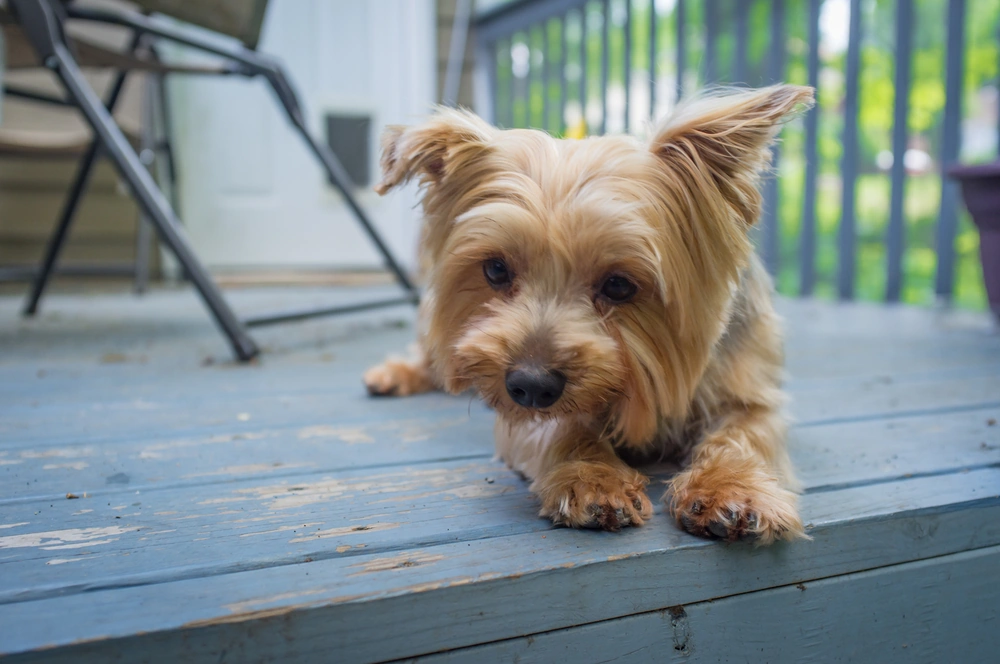
Next, experts link the new behaviour to people approaching. At first, this might be a family member walking towards the dog while the owner cues the “sit” or “mat” and rewards calm behaviour. If the dog gets up, the person simply pauses or steps back. The dog’s choice of behaviour controls whether the greeting continues.
Owners then add realistic elements of a visitor arriving:
- The sound of a knock or doorbell played on a phone
- The owner walking to the door while cueing the dog’s behaviour
- Opening and closing the door while the dog holds the sit or stays on the mat
Rewards should be frequent at this stage. This can include food, quiet praise or the chance to greet the person. With repetition the dog learns that sitting or going to the mat makes guests appear and jumping makes attention go away.
Step-by-Step Training Plan for Calm Greetings
This step-by-step plan shows exactly how to teach a dog to greet guests calmly instead of jumping. Moving through each stage slowly helps the dog succeed often and build a strong habit of keeping four paws on the floor.
The aim is to replace jumping with a clear alternative such as sitting or going to a mat. Consistency from everyone in the household is essential so the dog is never rewarded for jumping by accident.
Step 1: Choose the New Greeting Behaviour
Before training begins, the dog needs a specific job to do when people arrive. Sitting near the door or going to a mat a few steps back is the most practical.
If “sit” is chosen, the dog should already know how to sit on cue in a quiet room. If a mat is used, reward the dog many times for walking onto the mat and lying down. Practise this without any distractions first so the dog understands the behaviour clearly before guests are added.
Step 2: Practise with Fake Arrivals
Next, recreate the excitement of someone arriving but in a controlled way. One family member can act as the guest while another handles the dog.
Start several metres away from the door. Ask the dog for the chosen behaviour, such as sit or go to the mat, then have the “guest” knock lightly or ring the bell once. If the dog stays in position, the handler quickly gives a treat and quiet praise. If the dog pops up or starts to jump, the guest should immediately freeze or turn away and ignore the dog while the handler calmly resets.
Short sessions of 5 to 10 repetitions work best. Gradually make it more realistic by increasing the noise at the door, the speed of entry and the guest’s movement while still rewarding only calm behaviour.
Step 3: Add Real Guests with Clear Rules
When the dog is successful with fake arrivals, it is time to involve real visitors. Before they come over, explain the rules:
- Stand still if the dog jumps
- Do not talk to, reach for or pet the dog until paws are on the floor
As the guest arrives, the handler should cue the dog to sit or go to the mat before the door opens. If the dog holds position, the guest may approach slowly and offer calm petting or a small treat that the handler supplied. If the dog jumps, the guest turns away and all attention stops until the dog settles again.
Early on, it helps to keep the dog on a leash for extra control or behind a baby gate, where the dog can see the guest but cannot reach them to jump. With repetition, the dog learns that only a calm greeting makes visitors come closer.
Step 4: Maintain the Habit
To keep progress strong, practise sessions a few times each week, even when no one is visiting. Run through the routine of going to the mat or sitting while a family member pretends to arrive and reward generously. Over time, the dog will offer calm greetings automatically whenever the doorbell rings.
Managing Visitors During the Training Process
Managing real visitors is often the hardest part of teaching a dog not to jump. This is when habits are strongest and excitement is highest. During the training phase, owners need a clear plan for what guests should do as they arrive, how the dog will be managed and what will happen if the dog forgets its manners.
The aim is not to avoid visitors but to turn every arrival into a controlled training opportunity. With preparation and consistent rules, guests can help reinforce calm behaviour instead of accidentally rewarding jumping.
Briefing Guests Before They Arrive
Visitors need to know the rules before they walk through the door. Owners should tell guests in advance that the dog is in training and that jumping is being actively discouraged.
Key points to explain are:
Please ignore the dog if it jumps.
Only greet the dog when all four paws are on the floor or the dog is on a mat.
Keep greetings low-key with calm voices and gentle petting.
It helps to let guests know what they should do instead of what they should not do. For example, “Stand still and fold your arms if he jumps. When he sits or stands calmly, you can say hello.” This keeps visitors confident and avoids mixed messages for the dog.
Using Management Tools at the Doorway
It is unrealistic to expect perfect behaviour without some management. Trainers often suggest using baby gates, leads or crates to create space between the dog and the visitor while the dog practises calm behaviour.
For particularly excitable dogs, owners can:
- Put the dog on a lead before the door is opened
- Position the dog on a mat or bed, a few steps back from the entrance
- Have tasty treats ready to reward calm sitting or standing
If the dog surges towards the guest, the lead allows the owner to prevent contact without shouting or pushing. If the dog cannot yet cope with visitors coming directly in the door, the dog can wait behind a gate or in another room while the guest enters and settles. The dog can then be brought out for a controlled greeting once it is calmer.
Handling Setbacks and Over-Arousal
Setbacks are normal when teaching a dog not to jump on guests. Progress is rarely a straight line and even a well-practised dog can forget manners when excitement is high. Professionals encourage owners to see setbacks as useful information about what the dog finds difficult rather than as failure.
Over-arousal is one of the most common reasons a dog suddenly starts jumping again. Loud greetings, busy doorways and visitors who encourage physical contact can all push a dog past its coping point. Planning for these tricky moments helps the dog stay calm and makes the training far more reliable.
Recognising When a Dog Is Over-Aroused
Before a dog jumps, it often shows other signs that arousal is building. Owners can watch for these early warning signals and step in before the dog launches at a guest.
Common signs include pacing, whining, spinning, frantic tail wagging, dilated pupils and ignoring known cues like sit or stay. The dog may also grab at clothes or toys, bark in short, sharp bursts or race between people and the door. If the dog usually takes food gently but starts snatching treats, this is often a clear indicator that arousal is too high.
Remember to think in “traffic lights". Green means the dog can listen and take treats, amber means the dog is getting frantic and red means the dog is jumping or completely out of control. Training should mostly happen in the green with short dips into amber. If the dog is frequently in a red zone around guests, the situation is too hard and needs adjusting.
How to Respond in the Moment
When a dog tips into over-arousal during a visit, the priority is to prevent more rehearsals of jumping and help the dog calm down.
If the dog starts to jump, owners should quietly remove attention rather than shout or push the dog off. Turning the body slightly away and avoiding eye contact makes jumping less rewarding. At the same time, a tether point, baby gate or crate away from the doorway can give the dog a chance to reset. Offering a prepared chew, such as a stuffed Kong or a long-lasting safe chew, in this calmer area lets the dog redirect energy into an appropriate activity.
If the dog completely ignores cues, it is usually more effective to change the environment than to repeat “sit” more loudly. It’s recommended to move the dog further from the door, reduce noise, ask guests to ignore the dog for a few minutes and use gentle pattern games like “treat on the floor, then name, then treat on the floor” to re-engage the brain.
Adjusting the Training Plan After a Setback
After a difficult visit, it helps to review what happened rather than feel discouraged. Owners can ask three questions. How close was the dog to the door? How excited were the guests? How long was the dog expected to stay calm?
If the dog fails at the door next time, the dog may need to start behind a baby gate or in another room and only come out on a lead once everyone is seated. If one particular friend always winds the dog up, that person can be coached to enter quietly, avoid eye contact at first and reward four paws on the floor with calm treats.
Training Puppies and Rescue Dogs
Puppies and rescue dogs often jump for different reasons, but the training approach is similar. Puppies are usually excited and untrained, while many rescue dogs jump from a mix of habit, stress or a strong need for attention. Focus on clear routines, calm handling and consistent rewards so dogs quickly learn a better way to greet people.
Both groups benefit from short, frequent sessions in low-distraction areas before practising with real visitors. The key is to prevent jumping from working and to make four paws on the floor or sitting the easiest way to get what the dog wants.
Working with Puppies
Puppies are learning about the world and will repeat anything that earns attention. If people squeal, bend over or pat a jumping puppy, the behaviour will be very hard to change later. From the first week, the rule should be simple: no attention unless all four paws are on the floor.
Owners can keep a lightweight line on the puppy when guests are expected. As the door opens, an adult stands at the end of the line so the puppy cannot launch at visitors. If the puppy keeps four paws down or offers a sit, the visitor can step forward, speak quietly and give a treat. If the puppy jumps, the visitor should turn away and the handler gently guides the puppy back without talking or pushing.
Short practice sessions without real guests help. One person plays the role of the visitor, ringing the bell or walking in multiple times. Each time the puppy is rewarded for sitting or standing calmly.
Helping Rescue Dogs Feel Safe and Controlled
Rescue dogs may jump due to anxiety, frustration or a history of inconsistent rules. Before working on greetings, owners should make sure the dog has a predictable daily routine, appropriate exercise and a safe space, such as a crate or bed.
For many rescue dogs, it helps to teach a “go to your bed” cue away from the door. The dog is rewarded for lying on the bed while a helper pretends to enter. At first, the helper only steps inside briefly, then leaves again so the dog can succeed. Eventually, the helper moves closer, speaks to the dog and offers calm affection while the dog stays on the bed.
If a rescue dog becomes very agitated, it is better to increase distance than repeat failed greetings. The dog can watch guests from behind a baby gate or on a lead across the room, receiving treats for any calm behaviour. Only when the dog is consistently relaxed at that distance should guests approach more closely.
How Long Does It Take to See Results
Most owners start this training because they want to change quickly, especially if guests are being knocked about at the door. With consistent practice, many dogs show noticeable improvement within a couple of weeks, although full reliability around all visitors usually takes longer. The exact timeline depends on the dog, the household and how steadily the new rules are followed.
Rather than looking for an overnight fix, it helps to think in stages. First, the dog learns what to do instead of jumping; then it learns to do that new behaviour even when it is excited; then it learns to do it with different people and in different situations.
Typical Timelines for Different Dogs
For a friendly young dog with no history of aggression, owners often see small wins in 3 to 7 days. This might look like fewer jumps or shorter jump episodes when someone comes in. With daily practice, many of these dogs can greet familiar visitors politely within 3 to 4 weeks.
It usually takes longer for highly excitable dogs or dogs that have been rehearsing jumping for years. It is common to need 6 to 8 weeks of steady work before the behaviour looks reliable with most guests. Very persistent jumpers may need several months of consistent training to make calm greetings a new habit for the dog.
Puppies tend to learn quickly but also regress when they are overtired or going through a big developmental stage. Owners often see fast progress in a week or two, then a temporary setback. This is normal and improves again if the routine stays consistent.
Signs Training Is Working Even If Jumping Is Not Gone Yet
Owners sometimes miss early signs of success because the dog is not perfect yet. Useful early indicators include the dog:
- Pausing or hesitating before jumping
- Settling faster after the first few seconds of excitement
- Responding to cues like “sit” or “go to mat” more easily at the door
These changes show the dog is starting to think rather than simply react. When small wins are reinforced consistently, they build into a solid long-term habit of polite greetings.
Teaching a dog not to jump on guests is less about correcting a bad habit and more about teaching a better way to respond when people arrive. Jumping is often driven by excitement, uncertainty or a history of being rewarded with attention, which is why lasting change comes from management, consistency and clear alternative behaviours. When owners practise calm greetings regularly and make expectations predictable, dogs are far more likely to succeed. With time and repetition, even an overexcited greeter can learn to welcome visitors in a way that feels calm, safe and controlled.

