
Training your dog without relying on food rewards can feel challenging at first, especially if treats have been part of your routine for years. Many owners looking for dog training in Sydney come to us unsure about how to make the shift or how to create reliable behaviour without using food every step of the way. The good news is that dogs learn through clear patterns, calm signals and steady communication, which means treat-free training becomes easier once you understand what motivates them. At Canine Wise we focus on helping owners build confidence through hands-on methods that strengthen trust and turn everyday interactions into learning opportunities.
There is something rewarding about watching a dog listen because it understands you rather than waiting for a snack. This kind of cooperation grows from consistency and a training style that uses timing, posture and structure to guide behaviour. With the right approach, your dog can respond calmly and reliably without depending on treats, allowing you to build a stronger and more balanced relationship.

Why Dogs Rely on Treats and How to Break the Habit
Dogs often become dependent on treats because they quickly learn that food predicts success and attention, which can shape long-term habits. When food becomes the main motivator, dogs can lose interest in responding unless they see a reward (this makes training frustrating for owners). Breaking this pattern requires steady expectations that teach dogs to respond to direction instead of waiting for something to eat. This way your dog learns to work with you rather than for a piece of food, improving trust and communication.
Understanding Treat Dependence in Training
Treat dependence starts when dogs link every action to earning food, which results in a narrow view of what training actually means. They may stop listening when food is not present and show inconsistent behaviour that leaves owners feeling stuck or unsure. Understanding how this habit begins helps you shift towards balanced communication that focuses on natural motivators.
- Dogs form strong patterns when food is involved, creating habits that are hard to break because they expect the same outcome every time.
- Relying too much on treats can cause your dog to ignore basic cues when no food is available, slowing down progress and reducing reliability.
- Shifting away from food rewards takes time because your dog must learn that direction and routine matter more than quick rewards.
Why Dogs Respond Better to Clear Communication than Food
Clear communication creates structure that dogs naturally understand, which means they can respond faster and with less confusion. Dogs are always watching small signals and changes in behaviour, making your voice and posture more powerful than food. The more consistent you are, the easier it becomes for dogs to follow your lead.
- Dogs notice body movement with the right timing, helping them understand expectations without needing food to guide them.
- Verbal cues delivered the same way each time give your dog a clear idea of what you want, improving obedience.
- When dogs respond to communication instead of treats, they become calmer and more focused, helping training become more predictable.
How Treat-Free Training Strengthens Your Dog’s Thinking Skills
Treat-free training encourages your dog to solve problems, improving confidence and listening skills. Without food directing every step, your dog must observe you closely to build stronger awareness. These small improvements add up over time and create a more stable long-term training foundation.
- Removing food rewards encourages your dog to think before acting, strengthening self-control during everyday activities.
- Dogs begin to watch your cues more closely, helping them stay aware and reduces distractions.
- As your dog’s thought process improves, you gain a companion who responds calmly because it understands what you want.
Using Body Language and Tone So Your Dog Understands You
Dogs communicate with each other through movement with sound and posture, which means they pay close attention to how you present yourself. When you learn to use body language effectively, you give your dog clear information that helps reduce confusion and hesitation. Tone also plays a major role because dogs can recognise intention from the way your voice shifts. These skills work together to create a training style that feels natural for both you and your dog.
How Dogs Read Movement and Posture
Dogs notice small changes in posture, which helps them understand how to behave around people. When you use controlled movements, you show leadership (this makes your dog feel safe around you). Consistency in your actions makes it easier for your dog to follow directions.
- Steady posture tells your dog that you are calm and confident, encouraging them to match your energy.
- Quick or sharp movements can excite or confuse your dog, leading to mixed behaviour during training.
- Clear physical cues help guide your dog through everyday tasks, building trust and understanding.
The Role of Calm and Consistent Verbal Cues
Dogs rely on tone more than the actual word, which means calm and consistent speaking patterns matter the most. When your voice stays steady, it helps your dog remain relaxed and focused. Over time your dog learns the rhythm of your cues, which strengthens obedience.
- Repeating cues the same way helps your dog link your tone with the action you want, preventing mixed signals.
- Speaking too loudly or with frustration can distract your dog, making training longer and more difficult.
- Calm speech makes direction easier to follow, helping your dog respond with confidence.
Matching Body Language and Voice for Clear Direction
Dogs understand you best when your body language and tone agree because it removes any confusion. When your movements and voice work together, your dog learns faster and stays engaged. This harmony makes daily interactions easier for both you and your pet.
- Combining calm words with steady posture gives dogs a clear message which improves response time and reduces errors.
- Dogs can become unsure when your tone and body language differ, which can slow training progress.
- Coordinated communication helps dogs remain relaxed, making it easier for them to follow through with cues.
Reward Alternatives That Motivate Without Food
Dogs love rewards, but these rewards do not need to be food to be effective during training. Many dogs respond strongly to play or affection and everyday privileges when they are used with timing and consistency. These natural motivators strengthen the bond between you and your dog because they build trust rather than dependence. When you use real-life rewards, your dog learns that good behaviour brings enjoyable outcomes throughout the day.
Play or Affection and Real-Life Rewards
Play and affection are powerful motivators because they reflect the natural ways dogs enjoy interacting with people. When you use these rewards, your dog feels connected to you and encourages it to cooperate with you. Real-life rewards teach your dog that good behaviour improves daily experiences.
- Dogs feel encouraged when you use fun activities as rewards, which helps strengthen listening skills.
- Gentle affection creates comfort and trust, motivating your dog to stay close and attentive.
- Allowing real-life rewards like going outside or greeting people teaches your dog that polite behaviour opens opportunities.
Reinforcing Good Behaviour Through Structure and Routine
Dogs thrive on predictable routines because they help them understand daily expectations. Structure gives your dog a solid foundation for learning, which makes behaviour more consistent. With the right routine your dog knows when to relax and when to explore and when to listen.
- Regular schedules help dogs feel secure, improving their ability to focus during training.
- Predictable patterns teach your dog what to expect, reducing anxiety and reactivity.
- Daily routines reinforce good habits because your dog learns that calm behaviour leads to more freedom.
Using Games to Build Motivation and Focus
Games keep training fun while improving attention and cooperation between you and your dog. These activities create healthy engagement, which helps dogs listen more willingly. When games are used consistently, they improve trust and communication.
- Activities like fetch or tug help your dog release energy, making it easier for them to listen.
- Interactive games strengthen your dog’s focus because they must watch you closely to participate.
- Dogs become more motivated to follow cues when fun is part of the reward, supporting long-term training success.
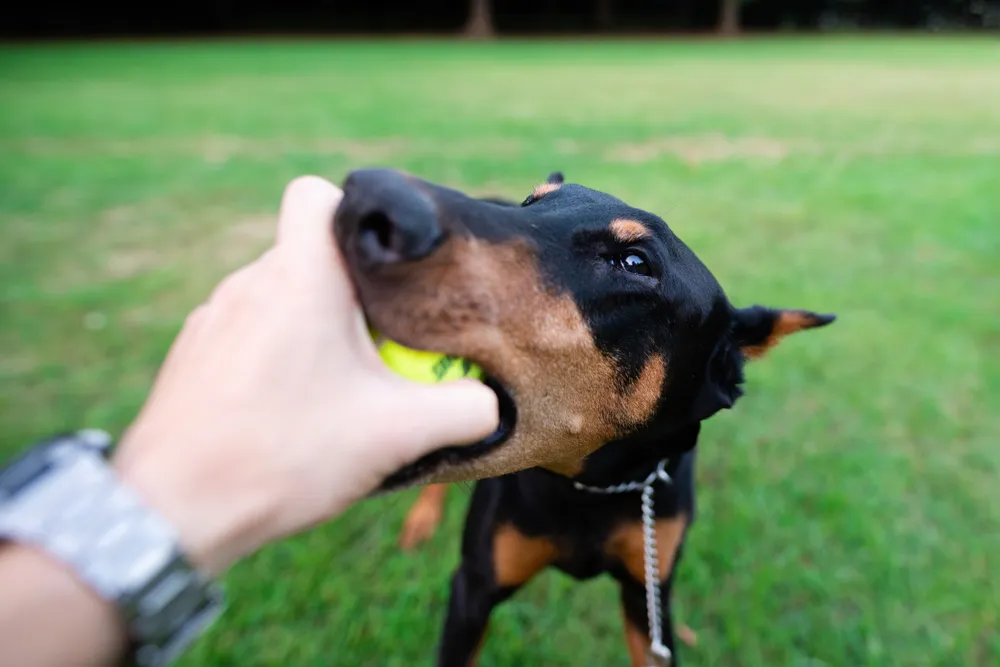
Training Methods That Build Listening Skills Without Treats
Treat free training works best when you focus on engagement structure and confidence-building methods. These approaches help dogs understand your direction without relying on food, which builds steadier listening habits. Training becomes more enjoyable when dogs stay involved through natural interest rather than food reward cycles. With steady practice you create a long-lasting communication pattern that strengthens your bond.
Engagement-Based Training Without Food Lures
Engagement training keeps your dog focused on you by building excitement and interest around your presence. This method creates a natural connection that teaches your dog to follow direction without expecting food. As engagement grows, obedience becomes easier to maintain.
- Dogs stay tuned in when you use movement and interaction to keep their attention, which strengthens responsiveness.
- Engagement techniques teach dogs to look to you for guidance, improving reliability in busy places.
- Building natural interest helps your dog choose to listen rather than rely on treats, which improves long-term behaviour.
Confidence-Building Exercises That Improve Focus
Confidence plays a major role in how well a dog listens because nervous dogs can become distracted or hesitant. Confidence-building exercises help your dog stay calm in new situations, which improves focus. These simple activities make your dog more sure of itself, which leads to better behaviour.
- Teaching your dog small challenges encourages independence, improving problem-solving skills.
- Confident dogs recover quicker from distractions, making training smoother and steadier.
- Exercises that build confidence help dogs remain calm in busy places, improving listening skills.
Using Short Training Moments Throughout the Day
Short training moments fit naturally into daily routines, which helps reinforce good habits without overwhelming your dog. These small sessions keep learning active and consistent, leading to steady improvement. Dogs progress faster when training becomes part of everyday life.
- Using brief practice moments helps your dog stay engaged because the sessions feel simple and achievable.
- Frequent small cues strengthen memory, leading to better long-term results.
- Dogs respond well when training blends into daily activities, which makes behaviour more dependable.
Practical Treat-Free Training Strategies You Can Start Today
Treat-free training becomes much easier when you practise simple exercises that fit naturally into your daily routine. These activities help your dog build focus, learn boundaries and follow direction without relying on food. Each exercise strengthens the habits you want in real life and shows your dog how to respond to your communication instead of looking for a reward.
1. The Follow Me Engagement Exercise
This exercise teaches your dog to pay attention to you because you are moving with purpose, not because you are holding food. It builds natural focus that improves recall and loose-lead walking.
- Walk calmly around your yard or home and change direction without speaking.
- When your dog follows, reward with calm praise or by letting them continue moving with you.
- If your dog becomes distracted, pause and wait for them to reconnect, then move again.
Over time your dog learns to watch your movement closely, helping them stay connected in busy environments.
2. Sit, Wait and Release With Real-Life Rewards
Using everyday privileges as rewards helps your dog understand that good behaviour makes life better. This strengthens impulse control without using food.
- Ask your dog to sit using a calm voice.
- Wait one to two seconds before giving a gentle release cue.
- The reward is access to something your dog wants, such as going outside or greeting a visitor.
Practising this daily teaches your dog that patience and calm behaviour are the key to good experiences.
3. Structured Greeting Practice
Many dogs struggle with excitement around people. This exercise teaches polite greetings by helping your dog stay settled when people approach.
- Ask for a sit before someone comes near your dog.
- If your dog remains calm, allow a slow greeting.
- If they become too excited, step back and try again once they have settled.
This builds reliable manners and reinforces that calm behaviour opens opportunities.
4. Short, Frequent Training Moments Throughout the Day
Brief sessions prevent your dog from becoming overwhelmed and keep learning fresh. These small moments are often more effective than long training routines.
- Practise one simple cue while moving through your daily activities.
- Keep the session under one minute.
- Use movement, praise or access to activities as the reward.
These micro-sessions strengthen your dog’s memory and make good habits part of everyday life.
5. Look To Me for Focus and Attention
This exercise improves your dog’s ability to check in with you before acting. It builds awareness and confidence without needing treats to hold attention.
- Stand still and wait quietly.
- When your dog looks up at you on their own, mark it with a calm “good” and move forward together.
- Practise in different locations to strengthen reliability.
With consistent practice your dog learns to look to you for guidance, improving obedience in new or busy places.
Common Mistakes Owners Make When Training Without Treats
Free training can feel new for many owners, which means small mistakes are easy to make along the way. These errors often come from inconsistency or unclear expectations rather than a lack of effort. Being aware of these issues helps you adjust your approach and guide your dog with more confidence. Small improvements in communication often create big changes in cooperation.
Mixing Cues or Changing Commands Too Often
Dogs learn through repetition, which makes consistent wording and timing essential. When owners change their cues, dogs can become confused. Sticking to clear commands helps your dog stay confident and cooperative.
- Changing cues regularly makes dogs hesitate because they are unsure what you want.
- Dogs respond better when you keep instructions simple because it helps them learn faster.
- Consistent commands give your dog a stable learning path, which strengthens long-term behaviour.
Expecting Quick Results Instead of Steady Progress
Training without treats takes patience because your dog must adjust to a new way of learning. Many owners expect fast results, which can lead to frustration and inconsistency. Focusing on steady improvement creates stronger long-term behaviour.
- Dogs need time to adjust to treat-free methods, which means progress may feel slow at first but grows stronger over time.
- Rushing the process can cause confusion which delays your dog’s understanding.
- Consistent practice helps dogs learn at a comfortable pace, leading to better results.
Allowing Emotion to Affect Timing and Communication
Dogs notice when owners become impatient, which can affect how they respond. Emotional reactions can make cues unclear, which slows learning. Staying calm helps your dog trust your direction.
- Reacting with frustration can distract your dog, possibly leading to mixed behaviour.
- Calm timing helps your dog understand what you want, improving responsiveness.
- Dogs feel more secure when you communicate steadily, which builds long-term listening skills.
Training your dog without treats becomes far more achievable when you understand how timing, communication and structure influence behaviour. By using clear body language, calm verbal cues and real-life rewards, you guide your dog in a way that builds trust rather than dependence. Many owners notice positive changes quickly once they focus on natural motivators and simple daily habits that strengthen their dog’s ability to listen.
With steady practice your dog begins to respond because it understands what you want, not because it is waiting for food. This leads to a calmer, more confident partnership that fits into everyday life. Treat-free training is not about removing rewards but about teaching your dog to work with you through clarity and connection. As you continue applying these skills you will see long-term improvements in focus, behaviour and cooperation.

