
Choosing between group and private dog training in Sydney is one of the first decisions many owners face when they decide to invest in their dog’s education. Both options can improve manners, build confidence and strengthen the bond between dog and owner, but they work in very different ways. Canine Wise sees every day how the right training format can make learning clearer, calmer and more productive, while the wrong fit can leave both dog and owner feeling overwhelmed or frustrated.
This article compares group classes and one-to-one training to help owners understand which dogs tend to do well in each setting, how temperament, life stage and behaviour challenges influence the choice and when a combination of both may be the most effective approach. By the end, dog owners will have a clearer framework for deciding which style of training is most suitable, practical and humane for helping their dog succeed.
The Benefits of Group Classes
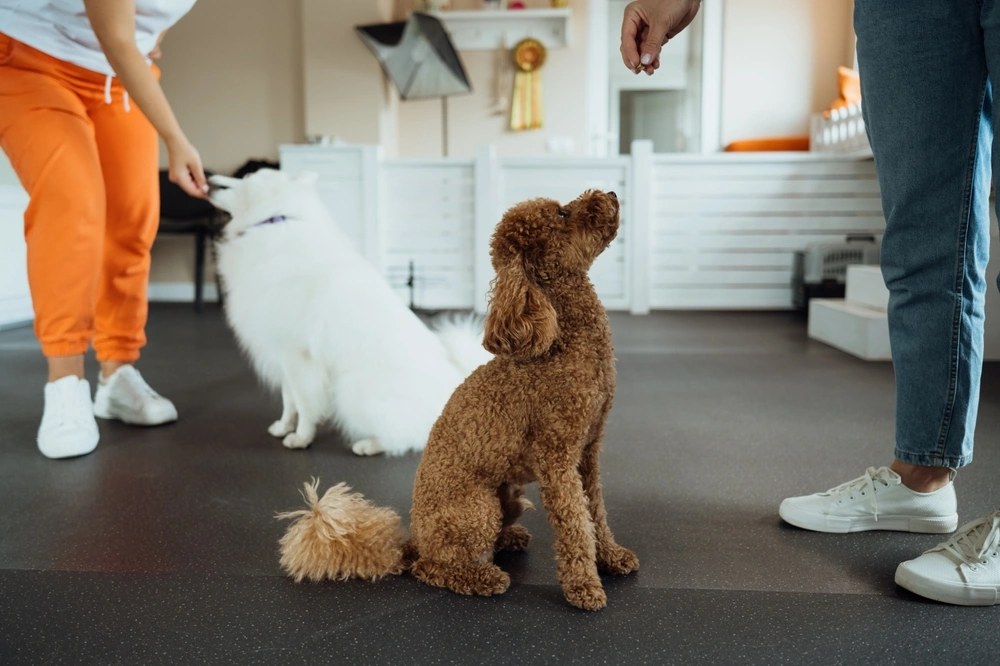
Group classes are a great option for many dogs and owners because they bring training, socialisation and distraction work together in one environment. In a well-run class, dogs learn to focus and respond even when other dogs and people are nearby, which is where many owners start to notice gaps in their training. These sessions are usually structured to feel calm and supportive, helping owners build confidence while practising everyday skills such as loose lead walking, recall and polite greetings.
Built‑In Socialisation and Real‑World Distraction Training
One of the biggest advantages of group classes is the opportunity for safe, controlled social exposure. Dogs learn how to be around other dogs without feeling the need to play, react or stay fixated on them. They practise skills such as settling on a mat, walking past another dog, waiting calmly while another team has a turn and staying focused on their owner despite what is happening around them.
This kind of structured socialisation is especially valuable for puppies and adolescent dogs that are easily excited. The trainer can manage spacing between dogs, help owners read body language and step in if a dog becomes worried or over-aroused. Over time, dogs start to see other dogs and people as part of the environment rather than something they need to rush towards, bark at or avoid. Group training also gives dogs regular practice working through real distractions, which can help skills carry over more effectively to walks, cafés and visits with friends.
Learning From Others and Shared Motivation
In a class environment, owners get to watch a range of dogs and handlers working through the same exercises. This helps normalise the fact that progress is not always linear and that behaviours such as pulling on the lead or jumping up are common starting points. Seeing another team succeed with a technique can also make the trainer’s instructions easier to understand and give owners a practical example to follow.
Group classes can also create a sense of community. Owners can compare experiences, ask questions they may not have thought of on their own and realise they are not the only ones dealing with chewing, barking or selective hearing. That shared sense of progress often encourages people to practise more consistently between sessions, especially when they know what the group will be working on next.
Cost‑Effective and Structured Training Progress
Compared to one-to-one training, group classes are usually more affordable per session, which can make it easier for families to commit to a full course rather than a single lesson. A well-designed programme builds skills gradually, with each week adding another layer, such as more distance, longer duration or greater distraction.
Group courses usually follow a clear curriculum covering core everyday skills such as staying focused around distractions, coming when called, polite greetings, self-control around doors and food, and settling calmly on cue. Regular weekly sessions also give dogs and owners a predictable routine, along with the repetition needed to make new behaviours more reliable. For many friendly or mildly excitable dogs, this combination of structure, social contact and practical distraction work makes group training a strong starting point.
When Private Training Is the Better Option
Private training is often the best option when a dog or family needs focused attention, a quieter environment or a more personalised plan. While group classes suit many dogs well, there are situations where one-to-one work allows progress that would be slower, more stressful or less effective in a class setting. This is especially true when a dog is dealing with behavioural challenges, when owners have limited time or when the training goals are highly specific.
Dogs With Behaviour Issues or Big Feelings
Dogs that bark, lunge or growl at other dogs or people are rarely comfortable in a group class. Bringing a fearful or reactive dog into a busy environment can raise stress levels, worsen the behaviour and make learning much harder. Private training allows the trainer to control distance from triggers, choose low-distraction settings and work at a pace the dog can cope with.
Private sessions are also important for dogs dealing with aggression towards people or other dogs, resource guarding around food, toys or resting spaces, and separation anxiety or distress when left alone. These issues usually require individual assessment and a structured behaviour plan. In a private setting, the trainer can observe subtle body language, coach the family step by step and adjust the plan in real time without the added pressure of other dogs nearby.
Puppies or Dogs That Need a Calmer Start
Some puppies are sensitive, easily overwhelmed or recovering from a difficult start in life. Busy classes filled with unfamiliar sounds, movement and other dogs can simply be too much at first. Private training gives these dogs the chance to build confidence and learn basic skills in a calmer setting before joining group activities later, if appropriate.
Private sessions can also be especially helpful for newly adopted rescue dogs that are still settling in. Training at home allows the dog to practise in a familiar environment where they feel safer. Owners can focus on house manners, handling, relaxation and trust-building without the pressure of a public class.
Specific Goals and Complex Households
Private training is also a strong option when a family has very specific goals. This might include preparing a dog for hiking or dog sports, improving off-lead reliability in a particular setting or refining calm behaviour around visitors. With one-to-one coaching, the trainer can design exercises that suit the dog’s lifestyle and the owner’s priorities.
Complex households can benefit from private training as well. Homes with children, multiple dogs or family members with limited mobility often need more tailored management strategies. A trainer can assess the home environment, look at daily routines and suggest practical changes such as gates, resting areas or lead setups. Coaching the whole family together can also help create clearer and more consistent communication for the dog.
Private training usually costs more per session than group classes, but for the right dog or situation, it is often the most effective and supportive way to make progress.
Which Dogs Struggle in Group Settings?
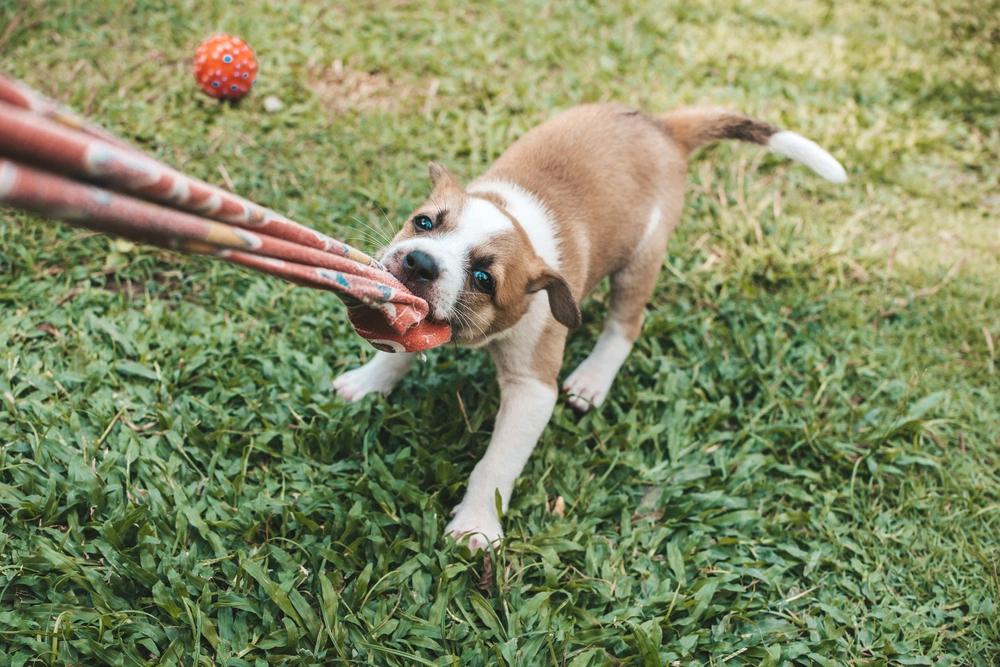
Group classes can be fantastic for many dogs, but they are not the right starting point for every dog. Some find the noise, movement and proximity to other dogs overwhelming, which can slow progress and increase stress. The aim is not to label a dog as “bad”, but to recognise when a calmer or more controlled training environment is the better place to begin.
Dogs With Fear, Anxiety or Reactivity
Fearful, anxious or reactive dogs often find group classes too intense. The constant presence of unfamiliar dogs and people can push them over threshold, making it difficult to focus or learn. Instead of responding to cues, they are often busy scanning the environment for things that worry them.
Common signs include stiff body language, a tucked tail, persistent panting, pacing, hiding behind the owner, or repeated barking and lunging towards other dogs or people. For these dogs, private training is usually a better starting point because distance, pace and difficulty can be adjusted more carefully.
Overexcited or Easily Overstimulated Dogs
Some dogs struggle in group settings not because they are fearful, but because they are too excited. The sight and smell of multiple dogs can send arousal levels too high, making it hard for them to think clearly or stay engaged with their handler.
Typical signs include constant pulling towards other dogs, jumping, whining, spinning, grabbing the lead or barking in frustration. These dogs often do better after first building calmness, impulse control and focus in quieter environments.
Dogs With Specific Behavioural Concerns
Dogs with a bite history, resource guarding, severe separation distress or strong noise sensitivities are usually poor candidates for standard group classes at the outset. In these cases, the training environment itself can add pressure and create new negative associations.
These dogs are generally better suited to an individual assessment and a tailored training plan first. Group classes may still become appropriate later, but only once the dog has made enough progress to participate safely and comfortably.
Can You Combine Both Approaches?
Group and private training do not have to be an either-or choice. For many dogs, the best results come from a thoughtful combination of both. This allows owners to use private sessions to build strong foundations and then practise those skills in a group setting with real-life distractions. The key is to use each format for what it does best rather than repeating the same work in two different places.
When To Use Private Sessions
Private training is most useful when a dog or owner needs focused support. It is often the best starting point when a specific issue needs targeted work or when a dog is not yet ready to learn calmly in a group setting.
Owners might prioritise private sessions if their dog:
- is very fearful, reactive or easily overwhelmed
- has aggressive behaviour that could be unsafe in a group
- needs help with household manners that only show up at home
In these cases, a trainer can control the environment and progress at the dog’s pace. For example, they might first teach a calm response to door knocks, then practise the same behaviour outside around mild triggers such as people walking past at a distance. Once the dog can follow cues reliably around low-level distractions, it is usually safer and more productive to add a group class.
When To Add Group Classes
Group classes are most valuable once a dog understands the basics but needs practice using them around other dogs, people and everyday distractions. This is often where owners start to see stronger real-world focus and reliability.
After a few private sessions, many dogs benefit from joining a suitable class, such as:
- puppy socialisation for young dogs who need positive exposure
- basic manners for dogs that know simple cues but are distracted in public
- intermediate or advanced classes for building reliability around heavier distractions
In class, the trainer can help apply skills learnt privately in a more stimulating setting. For instance, a dog that can sit and stay at home may struggle when another dog is moving nearby.
Planning A Blended Training Path
The most effective way to combine both is to treat private and group sessions as one continuous programme. A common approach is to start with a short block of private lessons, then move into a class while keeping occasional one-to-one check-ins as needed.
Owners can think of it like this:
- private sessions for teaching new skills and addressing specific problems
- group classes for generalising those skills and building reliability around distractions
Regular communication with the trainer is important. By reviewing progress every few weeks, the plan can shift between more private support and more group work so the dog keeps improving without becoming stressed or overwhelmed.
How to Choose the Right Training for Your Dog
Choosing between group and private training starts with looking at the dog in front of you rather than what worked for someone else’s pet. The best option depends on personality, history, behaviour challenges, training goals and practical factors such as budget and schedule. Speaking openly with a trainer about what is happening at home, in public and during everyday handling can make it easier to choose the format that is most likely to help the dog progress without becoming overwhelmed.
Consider Your Dog’s Personality and Confidence
A confident, social dog that enjoys new places and people often does well in a group class. These dogs are usually able to wait their turn and benefit from practising around distractions such as other dogs moving nearby.
A shy, fearful or easily overstimulated dog may struggle in that same environment. If a dog barks constantly at other dogs, lunges on leash or shuts down and refuses treats in public, private sessions are often a better starting point. Puppies can vary as well. A bold puppy may benefit from learning polite manners in a class, while a more nervous puppy may need a calmer start first.
Match Training Format to Behaviour Issues and Goals
The type of training needed has a big influence on the right setup. General manners such as sit, down, stay, loose-leash walking and polite greetings are often well suited to group classes, especially when the dog is ready to practise around distractions.
Private training is usually the better fit for more complex concerns, such as:
- aggression towards dogs or people
- severe fear or anxiety
- resource guarding or biting
- repetitive behaviours linked with stress
Owner goals matter too. Someone preparing a dog for dog sports or off-leash hiking may benefit from structured practice around distractions, while an owner focused on calmer behaviour at home or on a specific walking route may gain more from private sessions in those exact settings.
Factor in Budget, Schedule and Owner Learning Style
Practicalities influence success more than many people expect. Group classes are usually more cost-effective per session and suit owners who can commit to a fixed day and time each week. They also work well for people who enjoy learning alongside others.
Private training offers more flexibility with timing and location, which can be especially helpful for busy households or dogs that need work in specific environments. It often allows faster progress on targeted goals, though at a higher per-session cost. Some owners also find they learn better with undivided trainer attention and time to ask detailed questions.
The best choice between group and private dog training depends less on the format itself and more on what will help your dog learn effectively at their current stage. Group classes can be a strong fit for dogs that are ready to practise around other dogs and people, while private training is often better for dogs that need a quieter setting or more individual support. In some cases, combining both approaches gives owners the most practical path forward. The goal is to choose a training option that suits your dog’s temperament, builds confidence and supports steady progress in everyday life.

